
Your Stories Don’t Define You
How You Tell Them Will
A podcast to unlock your stories and uncover meaningful insights.
When External Expectations Improve Your Internal Story
Derek is a successful businessman, and he attributes his massive transformation from troubled kid to successful adult to one person. His childhood friend believed in him, stuck by him when he was known as a horrible person to be around, and made it clear that he wasn't going anywhere.
It was this person that inspired Derek to grow and change and transform his life - because he wanted his friend to be right in believing in him.
Derek is the CEO of At Hand Spray Systems, but prefers to be defined by his unique approach to problem solving. Most people try to solve problems in a linear way, which frequently results in symptom solving. Derek approaches problems spherically, using all 360 degrees to find solutions to the root cause, not the symptoms.
Find Your Brave, Use Stories as Evidence
You were likely pretty brave as a child, I know most children start out ready to jump into an adventure, sing on a stage, and climb anything - with our without shoes. But what happens to us as we move into the higher grades? Why do we lose our sense of adventure, our sense of self, our self confidence?
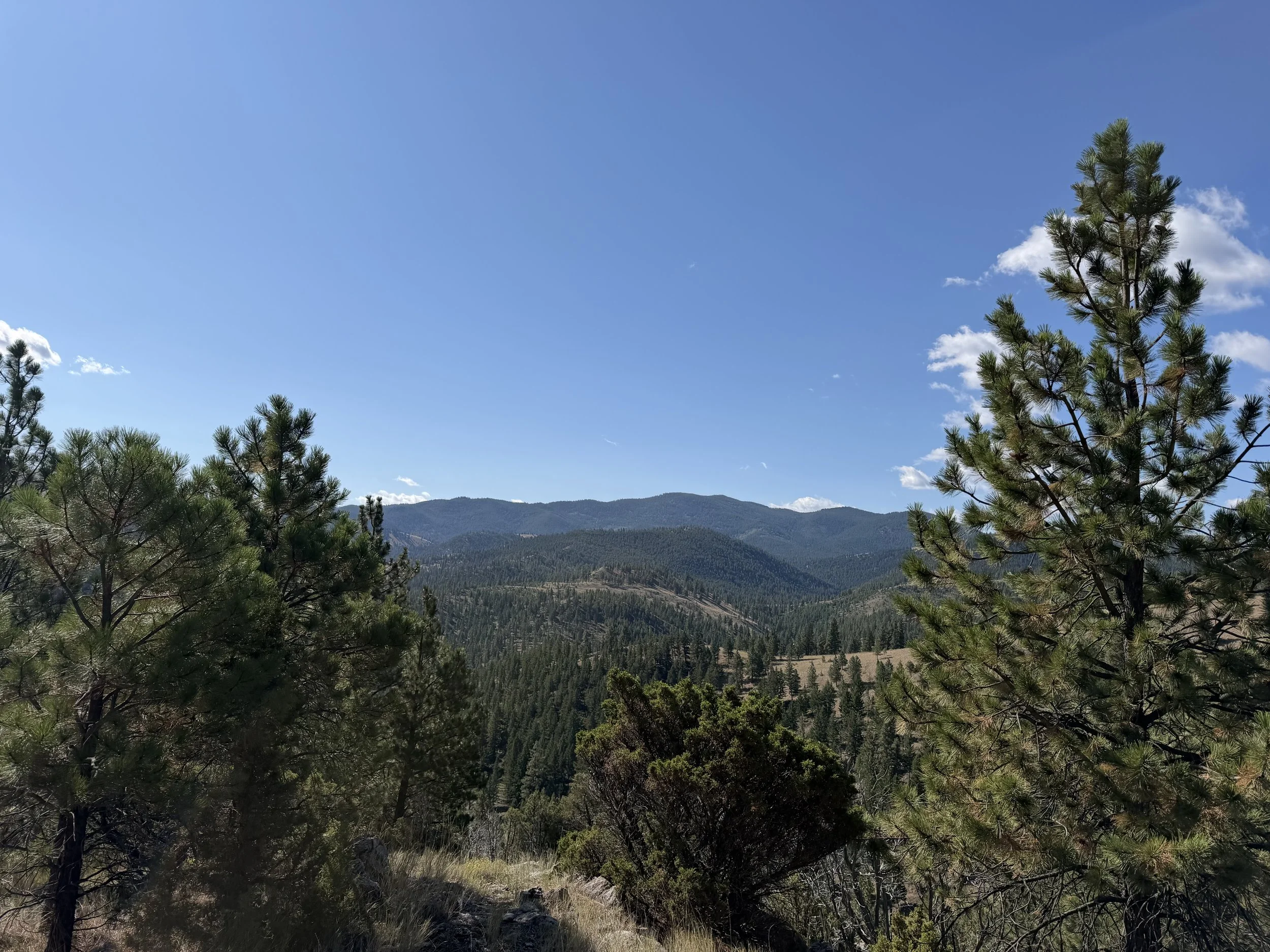
Kimberly Davis is a brave leader not because she's unafraid, but because she steps forward despite the fear that could hold her back, and she's teaching others to lead with Brave in mind.
You were likely pretty brave as a child, I know most children start out ready to jump into an adventure, sing on a stage, and climb anything - with our without shoes. But what happens to us as we move into the higher grades? Why do we lose our sense of adventure, our sense of self, our self confidence?
Whatever the reasons, we must find our Brave again if we want to be happy, successful (however we choose to define it), and role models for the people around us. We have to be real for ourselves, we must bring our whole selves to every environment in order to lead authentically.
Speaking with Kimberly Davis grew up on a ranch near Kalispell, Montana, and she and her brother had a job on that ranch: To feed the cattle, even if it was -15 degrees outside. Montana raises some pretty badass, resilient souls, and Kimberly was one of those... until she started college. Somehow she lost her courage, her Brave. But she found it again, and we talked about what it takes to step into the unknown, and some strategies to find YOUR Brave.
Kimberly Davis is the author of the insightful and relevant book, Brave Leadership. She's also the CEO of On Stage Leadership, an organization devoted to helping executives lead authentically, and present themselves fully to the people they lead, in order to create teams at work, not groups.
You can learn more about her and the value she brings to her workshops, coaching, and keynotes on her website, and connect with her on LinkedIn.

Getting Out Alive: A Story of Professional Survival
We were barreling down the road, at least double the speed limit in a 35 zone. And when we hit the highway, he was driving at least 110. For the first time since those warning signs I ignored during the interview, I realized I wasn't just risking my career, I was risking my life
"We were barreling down the road, at least double the speed limit in a 35 zone. And when we hit the highway, he was driving at least 110. For the first time since those warning signs I ignored during the interview, I realized I wasn't just risking my career, I was risking my life."
John White made the decision to invest in his future income that day - by jumping into an MBA program he'd been considering for a few years.
We had a great conversation about that moment in his life when he made the decision; have you had a moment like this one? Maybe not quite so dramatic, but still a large, negative push to follow a different path?
How Storytelling Shapes Your Internal Messages
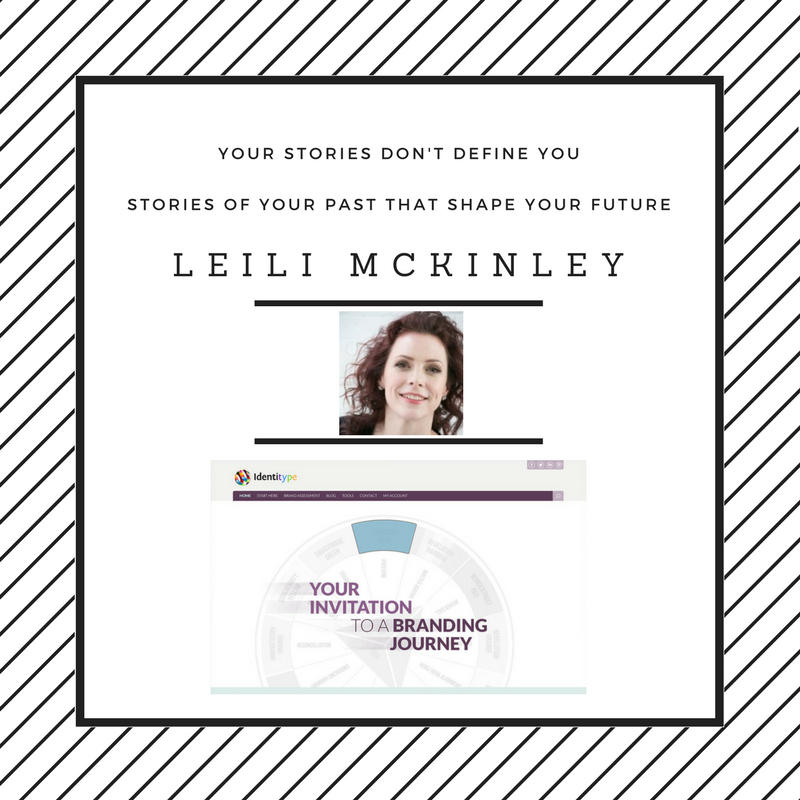
I had the opportunity to ask Leili McKinley, founder and CEO of Identitype LLC a few questions about her pivotal moments in life, and how she was able to identify those moments, and years later was able to apply them to difficult situations.
She surprised me with her analogy of her skill in creating a corset as the foundation for a wedding gown designed during her time at Parson's School of Design in NYC. As she builds experiences, she sees those experiences as the corset-building, or foundation-building of her behavior, persistence, and success.
Visit Leili's website and LinkedIn profile for more information about the IdentitypeTM system she created (in her words):
... to help you be the leader you were born to be, build a brand, and grow your business (ME, Inc.) because you’re passionate about what you do, and because you want to create more income for yourself and the people you love.
Micromanagers Inspire You... to Quit

Cheryl Snapp Conner | Your Stories Don't Define You | Episode 1
What stories from your past became pivotal moments as you look back at them?
I had the opportunity to visit with Cheryl Snapp Conner about a difficult boss she encountered early in her career. That experience drove her to try something completely surprising to her - she left the company to start her own business.
Listen to the podcast to hear the lessons she learned in the situation, and to sit in on the conversation about how this story has impacted how Cheryl sees herself today.
Want to learn more about Cheryl and her stories? Visit her company website: Snapp Conner PR, or follow her on LinkedIn.

Where is Your Tribe?
They created and nurtured a tribe like few get to experience.
Tragedy hits; who do you reach out to? Who will reach out to you? You might be surprised.
Our dear friends lost their son in a car accident and our community is mourning the loss of this beautiful soul. Their lives, and the lives of so many this young man's energy and love impacted, are forever changed. But that's not the point of this story, because his family and those closest to him will tell it themselves.
It's Their Story
People who have experienced tragedy will tell you that those who they believed would be there for them often disappear, while people they weren't particularly close to were the ones who showed up.
There are many reasons for this, and I've written a lot about that theme over the years. But the biggest reason I can share is that people are uncomfortable with grief. That discomfort comes from knowing how unpredictable life can be - that it could be them, and it comes from not knowing what to say or do, and not being able to make things better.
But those who show up make the difference. Though it's disappointing when those you thought would be there aren't, the extraordinary beauty of those who DO show up shines a light like nothing else can.
The only light I've been able to see, the only comfort I've been able to find as my friends absorb this new reality is that they are surrounded by the love and light of their community.
Over the years I've known them, they've shared themselves, their love, creativity, and vibrant appreciation for life with everyone they come in contact with, anywhere. My friends transformed friends into family at every opportunity by nourishing people at their dining room tables, through their art, and over miles and miles of outdoor adventures. They created their tribe for just this moment, this time when they need them.
This tribe will not disappear at the scent, sound, and thick fog of grief. This tribe will show up, at all hours, at any moment and in any location to be there for our friends. We will grieve together, and know when and how to leave room for the grief of the parents and sibling, which is unlike any other grief.
This tribe will never - ever - utter the words: "I know how you feel." Because they know, without a doubt, that they can't know.
It Could Be Your Story
Do you have a tribe? Have you cultivated with generosity, kindness, and love a community you know will show up when you need them?
Just like a business network, if you wait until you need them when you are unemployed or underemployed, you will be lost for much, much longer than you would have been had you maintained and nurtured those connections.
We may feel very connected to those we know online, but if we're not spending time in real life with real people, we're not building the kind of tribe I'm talking about here.
Build your tribe before you need them. Reach out to those you feel connected to and nurture those relationships. Spend time face-to-face, schedule dates of walks, lunches, and silliness.
Make time now, because you may not have tomorrow.
*This post is dedicated to the memory of the sparkly, deeply intelligent, beautifully loving man lost on December 13, 2017, Kyle Boundy, and to his family and friends who will be forever changed for having experienced his love.*

Mid-Life Crisis? Dazed & Confused? You're Not Alone.
Are you going through a time of uncertainty? Are you feeling off-balance and lost? No one can solve your problems for you, but reaching out to encouraging, supportive, engaged friends will definitely help.
I recently read a sad article about a ridiculous number of women my age who are going through a sort of mid-life crisis. The part that caught my attention first was this:
"Hey," I said, happy to have caught her on a break from her job, "do you know anyone having a midlife crisis I could talk to?"
The phone was silent for a second.
Finally, she said, "I'm trying to think of any woman I know who's not."
When I read that exchange, I realized that women in my age range are having very similar experiences to current young adults just leaving high school and college.
Our world is so different from what I experienced as I left high school. Career paths were pretty traditional then, though there were some who took different journeys. Most of my friends didn’t think about the next step after high school because the next step was college; most of us never thought about NOT going on for a four year degree. I was surrounded by my middle class friends in suburban Colorado neighborhoods, but even my friends outside of that community knew the traditional path and generally followed it.
Those traditional paths still exist, but they’re an awful lot like where Kodak was about 30 years ago; they’re not real anymore.
Some people are seeing this as an exciting opportunity, a chance to do whatever seems right at any given moment. Others are experiencing a kind of agoraphobia, a sense of overwhelming loss and confusion. For them, it’s like being really hungry and going to a restaurant with too many menu options. They get so overwhelmed that they can’t make a decision and walk away starving.
Women who are going through this crisis are facing similarly overwhelming options, but instead of seeing this time as full of opportunity, they’re seeing it as failure, or worse, their lives completely shattered.
I have to keep reminding myself that not everyone likes to be in that “in-between” space, where I live most of the time. People who fit the equation comfort = happiness are overwhelmed by this time in their lives, while others who have consistently shifted gears to find the next adventure see this time as exciting and full of opportunity.
It’s hard to know what to do to help friends going through this phase of self-discovery and change; after all, their world is unbalanced and full of uncertainty. I’ve written about strategies for helping a person who is grieving, and they apply here, too. Remember that your friends are grieving. They’re grieving the loss of what they thought they wanted in life, the loss of their certainty, and potentially the loss of the foundation of their marriage and parents as their health deteriorates.
A good coach can help define the questions that need to be addressed, and will help clarify what the answers mean in terms of action steps and opportunities. Coaching is well worth the investment, and in combination with a counselor, can turn things around significantly. Not every counselor or coach is the same, so if you find one you don’t work well with, keep looking. Don’t stick with one you don’t feel excited to share with, but don’t give up on coaching or counseling if you have one negative or ineffective experience!
Listening is a huge part of allowing a person to grieve. If you are a good listener, that may be your primary role in helping your friends.
Being a positive force of encouragement and support is absolutely the best thing you can do for people. Make sure you have a small group that meets regularly to talk about the challenges and questions you’re all facing. More importantly, make sure the energy in that group remains positive. Each person in your group must have the ability and comfort level to intervene when a meeting turns into a rant session. A complaint-filled hour will only drag you down; when anyone in the group senses that things are going south in a conversation, they must know how to carefully switch gears and talk about actions people can take to move forward.
Are you going through a time of uncertainty? Are you feeling off-balance and lost? No one can solve your problems for you, but reaching out to encouraging, supportive, engaged friends will definitely help. I have what I call my N.A.G. group, Nudge – Advise – Guide, and we meet once each month to help us stay accountable to ourselves with our goals, to encourage and advise us when we have crazy ideas, and to guide us to make the best choices.
“If you regret any part of your past, think about your future, and make changes and efforts now, so you don’t look back again with regret.”
How you perceive this time in your life is YOUR CHOICE. You can wallow in sadness over the loss of what you thought you had, what you thought you wanted, or you can step up and live out the dreams you’ve dismissed while you were developing yourself to be who you are right now.