
206: The Strange Sensation of Holding Space for Conflicting Emotions
Accepting Help is an Act of Compassion
When those close to us experience tragedy, we want to step in whether it’s big or small acts of compassion. And yet, sometimes, we feel selfishness or even helplessness when aiding those in need.
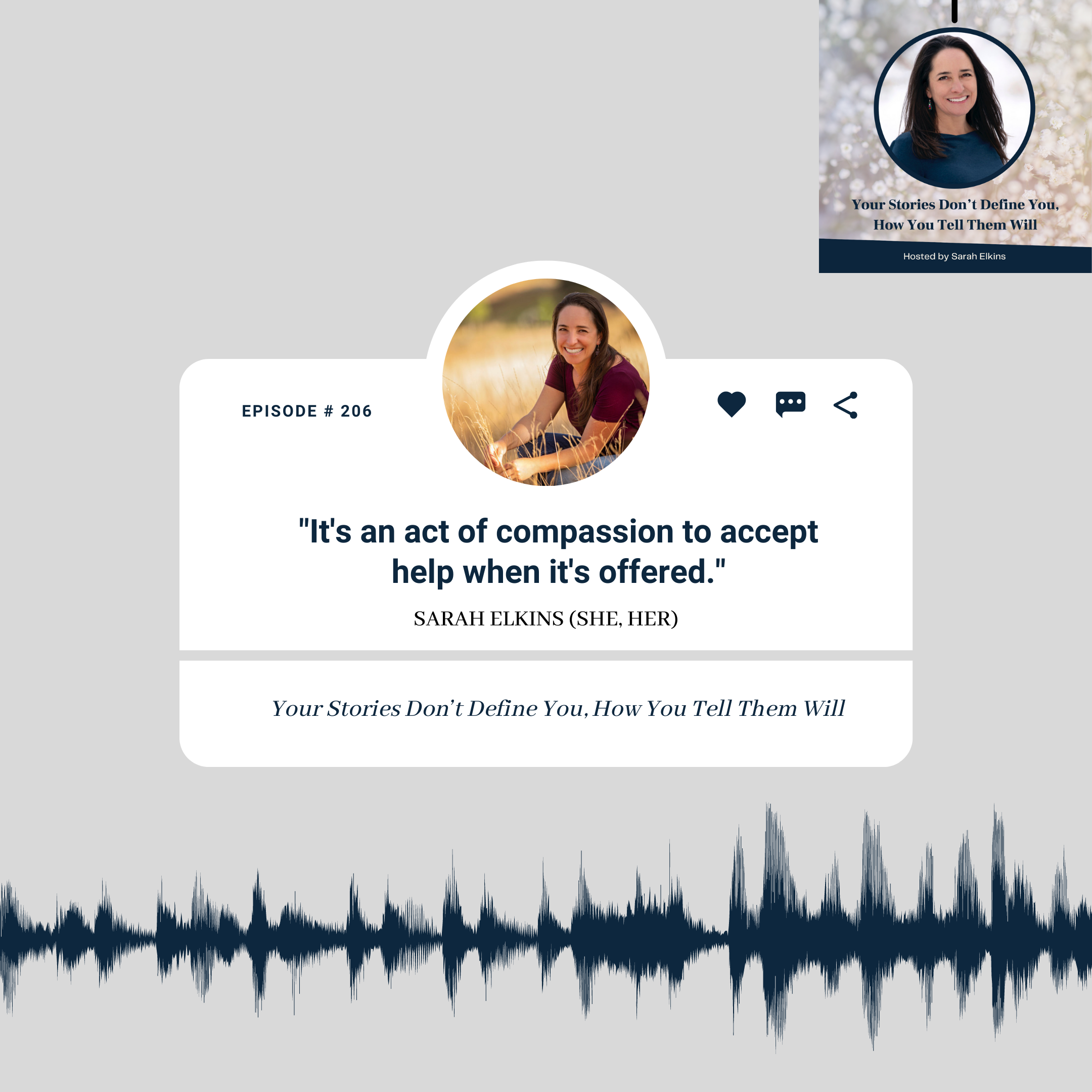
Join Sarah Elkins in this latest episode of Your Stories Don’t Define You, How You Tell Them Will, as she shares moments in her life that lead to her understanding that sympathy is not selfishness. Sarah also dives into fighting thoughts of powerlessness while watching family and friends suffer through providing comfort.
Tune in to learn more about the incredible gift of giving- as it is without the negative mindset of conflicting emotions.

“I’m realizing more & more that when we allow others to help us in our times of need, it’s an incredible gift of compassion.”
*podcast show notes contributed by Tracy Ackeret
---
ABOUT SARAH:

"Uncovering the right stories for the right audiences so executives, leaders, public speakers, and job seekers can clearly and actively demonstrate their character, values, and vision."
In my work with coaching clients, I guide people to improve their communication using storytelling as the foundation of our work together. What I’ve realized over years of coaching and podcasting is that the majority of people don’t realize the impact of the stories they share - on their internal messages, and on the people they’re sharing them with.
My work with leaders and people who aspire to be leaders follows a similar path to the interviews on my podcast, uncovering pivotal moments in their lives and learning how to share them to connect more authentically with others, to make their presentations and speaking more engaging, to reveal patterns that have kept them stuck or moved them forward, and to improve their relationships at work and at home.
The audiobook, Your Stories Don’t Define You, How You Tell Them Will is now available!
Included with your purchase are two bonus tracks, songs recorded by Sarah's band, Spare Change, in her living room in Montana.
205: Women Supporting Women, Featuring Harpreet Ghumman
What are you going to do to help other women amplify their voices?
Tune into this captivating discussion between Sarah Elkins and Harpreet Ghumman, Executive Coach, D & I Strategist, Business Mentor, and Speaker, about living an authentic life and helping guide other women with their own. This conversation unpacks the power behind stepping up for others, beyond listening to their stories but mentoring the ones who need us most.
Harpreet Ghumman’s purpose is clear: To guide other women toward knowing themselves, what they want, and getting there.

What are you going to do to help other women amplify their voices?
Tune into this captivating discussion between Sarah Elkins and Harpreet Ghumman, Executive Coach, D & I Strategist, Business Mentor, and Speaker, about living an authentic life and helping guide other women with their own. This conversation unpacks the power behind stepping up for others, beyond listening to their stories but mentoring the ones who need us most.

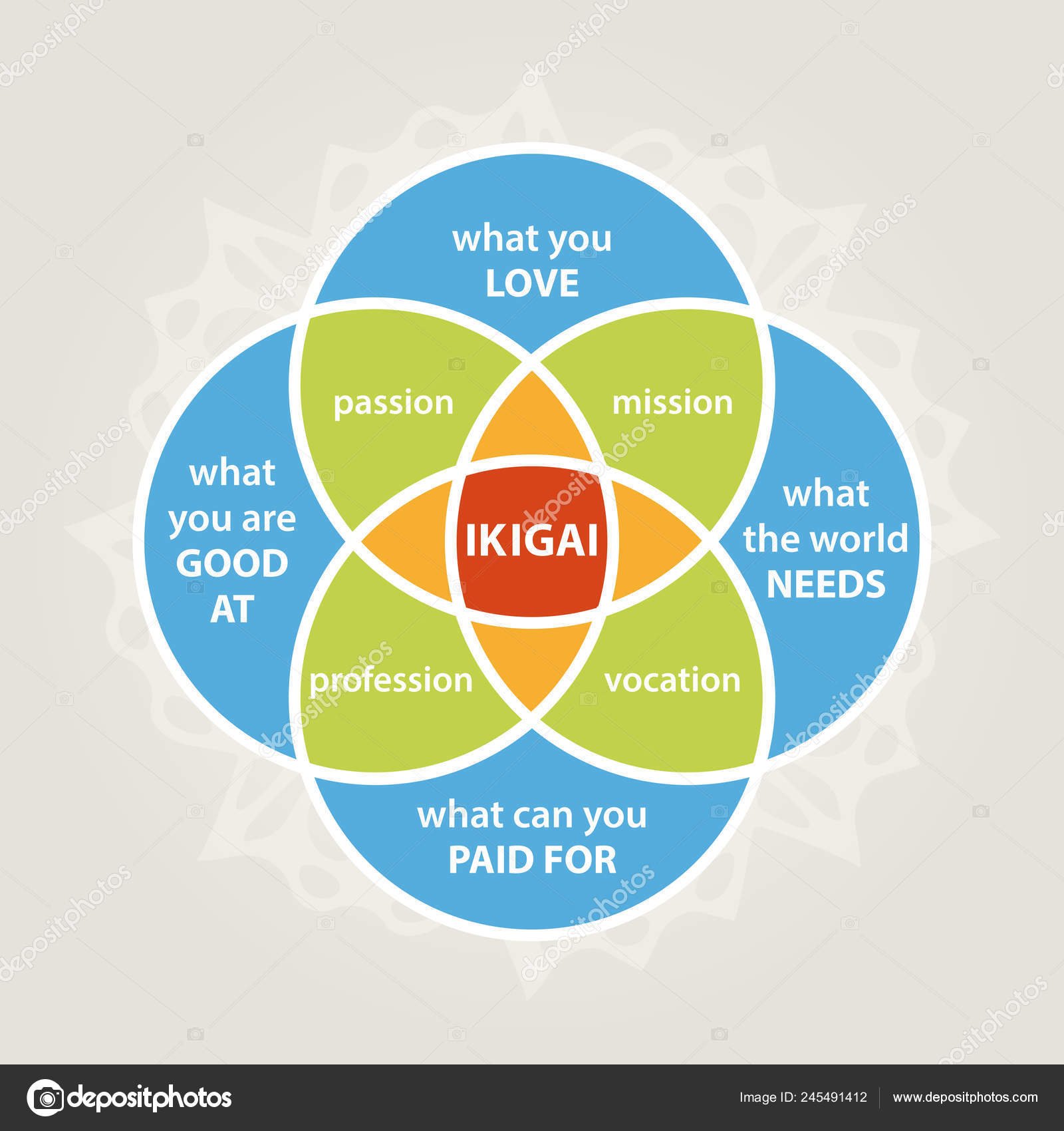
There’s mention of Ikigai in this episode, here’s an image to clarify what we spoke about.
“First thing is to show up. I started showing up not as a speaker, but as a participant, being one of them. I think that was the starting point.”
*podcast show notes contributed by Tracy Ackeret
About Harpreet:
Harpreet is a multiple award-winning thought Executive Coach, D & I strategist, Business Mentor, and speaker. In her 20+ years of corporate experience, she has enabled large MNC organizations to become future-ready by transforming their human development strategies. She is currently based out of central coast California and founder of Unapologetically Harpreet Coaching & Consulting practice. She is specially focused on working with Senior Executives, High Potential Leaders and Women in Leadership. Her client work includes the US, India, and Dubai.
She also works with Harvard Business School to facilitate their corporate leadership programs for their Fortune -ranked clients around the world. She is very passionate about helping women leaders and entrepreneurs advance in their professional life and being unapologetically promotable/you by helping them unlock their power and influence.
Harpreet is an avid meditator. She engages in grounding for performance and centering practices such as Zen meditation.
Visit Harpreet’s LinkedIn, Facebook, and Instagram to learn more!
*podcast show notes contributed by Tracy Ackeret
ABOUT SARAH:
"Uncovering the right stories for the right audiences so executives, leaders, public speakers, and job seekers can clearly and actively demonstrate their character, values, and vision."
In my work with coaching clients, I guide people to improve their communication using storytelling as the foundation of our work together. What I’ve realized over years of coaching and podcasting is that the majority of people don’t realize the impact of the stories they share - on their internal messages, and on the people they’re sharing them with.
My work with leaders and people who aspire to be leaders follows a similar path to the interviews on my podcast, uncovering pivotal moments in their lives and learning how to share them to connect more authentically with others, to make their presentations and speaking more engaging, to reveal patterns that have kept them stuck or moved them forward, and to improve their relationships at work and at home.
The audiobook, Your Stories Don’t Define You, How You Tell Them Will is now available!
Included with your purchase are two bonus tracks, songs recorded by Sarah's band, Spare Change, in her living room in Montana.
Bicentennial Episode! An Accidental Podcaster Reaches Her 200th Episode
Hundreds of stories, people from all over the world, and life-changing conversations all have to lead to this special 200th episode of the "Your Stories Don’t Define You, How You Tell Them Will" podcast.
Sarah Elkins and her good friend, Neil Hughes, look back to the beginning of the podcast’s creation and the unexpected moments and lessons that emerged.
Sarah Elkins and Neil Hughes:
Origin Stories of Podcasts and Friendship

Hundreds of stories, people from all over the world, and life-changing conversations all have to lead to this special 200th episode of the "Your Stories Don’t Define You, How You Tell Them Will" podcast.
Sarah Elkins and her good friend, Neil Hughes, look back to the beginning of the podcast’s creation and the unexpected moments and lessons that emerged.
Tune in to hear more about the happy accidents and people that contribute to something bigger than yourself.
“If you’re open, the universe will nudge you in the right direction.”

*podcast show notes contributed by Tracy Ackeret
About Neil:

Neil Hughes is a tech columnist, best-selling author, LinkedIn top voice, freelance writer, ghostwriter, tech blogger, podcast host, and podcast producer.
Visit Neil’s website and follow him on LinkedIn!
*podcast show notes contributed by Tracy Ackeret
ABOUT SARAH:
"Uncovering the right stories for the right audiences so executives, leaders, public speakers, and job seekers can clearly and actively demonstrate their character, values, and vision."
In my work with coaching clients, I guide people to improve their communication using storytelling as the foundation of our work together. What I’ve realized over years of coaching and podcasting is that the majority of people don’t realize the impact of the stories they share - on their internal messages, and on the people they’re sharing them with.
My work with leaders and people who aspire to be leaders follows a similar path to the interviews on my podcast, uncovering pivotal moments in their lives and learning how to share them to connect more authentically with others, to make their presentations and speaking more engaging, to reveal patterns that have kept them stuck or moved them forward, and to improve their relationships at work and at home.
The audiobook, Your Stories Don’t Define You, How You Tell Them Will is now available!
Included with your purchase are two bonus tracks, songs recorded by Sarah's band, Spare Change, in her living room in Montana.
Episode 193: Hillary Johns "It's an Honor and a Privilege to be a Lawyer"
"I consider our country as a whole" is how Hillary Johns explains her appreciation and love for the variety of experiences our country offers. As a bi-coastal attorney, Hillary explores everything from entertainment law, civil litigation, business law, torts, employment law, to outdoors activities like hiking and camping, and even volunteers to work with animals.
Stories from a Multi-Faceted Attorney
*This episode was recorded while Hillary was in-transit, sound quality is limited.*

Hillary Johns quote and image for podcast cover art
"I consider our country as a whole" is how Hillary Johns explains her appreciation and love for the variety of experiences our country offers. As a bi-coastal attorney, Hillary explores everything from entertainment law, civil litigation, business law, torts, employment law, to outdoors activities like hiking and camping, and even volunteers to work with animals.
We spoke of the need for people who work hard in one aspect of their lives to take breaks and have hobbies complete outside of that particular work environment.

Hillary Johns image and quote for podcast cover art
It can be surprising to hear what people choose in that way, from fostering older shelter animals, to beadworking and fly fishing.
Hillary's career has taken some interesting twists and turns that I'm sure listeners will find inspiring and fascinating.
About Hillary Johns
Hillary Johns is a member of the Time’s Up Legal Defense Fund. She works with the American Bar Association to provide legal services to military personnel. Ms. Johns has also served as a pro bono attorney and volunteer for local, statewide and national domestic violence organizations. She is a past alumni committee chair and current student mentor with Occidental College. She is a member of the Beverly Hills Bar Association and the Beverly Hills Chamber of Commerce.
Outside of her legal career, Ms. Johns was a competitive ranked soccer player and professional athlete. She is a licensed competitive youth soccer coach, and coaches youth soccer. Her interests include European and American history, competitive sports, fitness for people of all ages, and animal rights.
Episode 189: Podcast Brief 3 - Ideation & Adaptability Gain Momentum
In this week’s episode I’ll round out a description of my top five talents with Ideation and Adaptability. Ideation being the one that I imagine as a hamster on a wheel in my head, constantly running, coming up with ideas about what I’ll do next, ideas to solve problems, sometimes completely random ideas about why things happen the way they do, how things work (usually unrelated to anything that actually matters in my life), and how to express concepts so they’re sticky and/or persuasive.
Adaptability is the talent that allows me to switch gears easily, and that makes me a good person to be around when a project goes sideways.
StrengthFinder Results Can Bring Clarity to Your Communication Patterns of Friction
Podcast brief 3 – Ideation / Adaptability

Podcast cover art with image and quote from Sarah Elkins
This week’s episode of Your Stories Don’t Define You is part 3 of a series I’m exploring to clarify how StrengthsFinder results can provide clarity around your life's patterns.
Two weeks ago I shared what it’s like to have Command in your top talents using the StrengthsFinder assessment, and last week I shared stories about my top two talents, Strategic & Activator: how they used to look to me, what they look like now in my life, and some of the strategies I use so they work for me instead of against me.
As a Gallup certified StrengthsFinder coach, I’ve taken opportunities to work with other coaches for two reasons, one is that I believe in this stuff, the idea that when we understand our own way of thinking, our natural, instinctive talents, and when we understand where we might be getting in our own way, we find more satisfaction in our lives. Another reason is that to be a coach and to have a coach demonstrates my belief that this works, that working with a good coach adds value. I know that the more I know about my own talents and blind spots, the more effective I can be for my clients.

Image of a hamster running in a wheel.
In this week’s episode I’ll round out a description of my top five talents with Ideation and Adaptability. Ideation being the one that I imagine as a hamster on a wheel in my head, constantly running, coming up with ideas about what I’ll do next, ideas to solve problems, sometimes completely random ideas about why things happen the way they do, how things work (usually unrelated to anything that actually matters in my life), and how to express concepts so they’re sticky and/or persuasive.
Adaptability is the talent that allows me to switch gears easily, and that makes me a good person to be around when a project goes sideways.
My top five talents combined; Strategic, Activator, Ideation, Command, and Adaptability are what make me great at what I do, they’re also the things that get me into trouble when I’m not using them with intention. When I look back at the experiences of significant friction in my life, I now know part of why they happened, how I contributed to my own struggles, and maybe ways I could have done things a little differently.
It doesn’t help, necessarily, to think about the “what ifs” directly, I like to think of it more as identifying patterns so I can make changes in my responses & reactions when similar situations appear, which happens a lot.
When I was 18 and struggling in a job, I told my mother I was thinking of quitting.
“Sarah, if you quit now, this same scenario will come up over and over again until you learn the lesson you’re supposed to learn from it. It’ll be different people, but a very similar struggle.”
I stayed, and yes, I did learn a lot from the experience. I was proud of myself for sticking it out, I felt strong, resilient, and ready for the next challenge.
Though I learned a lot about myself and the world around me in that job, it took another 20 years to truly uncover the pattern that began to emerge that year. That’s the beauty of self-reflection: When you uncover negative patterns from your past, you can begin to change them for your future.
Prior to about 2015, if you changed jobs more than twice in a 5 year period, you were considered a “job hopper”, which made hiring managers pretty uncomfortable when they looked at your resume. In the 2020s, between the lack of consistency in industries and the gig economy making waves, we’re seeing a much needed change in that way of thinking. Maybe I was just ahead of my time…
It wasn’t until I saw my results in the StrengthsFinder assessment, with Adaptability in large, bold font on the report, that I understood my self-created label of being a “2 to 3 year employee.”
When a job lasted longer than that, I can see in my rearview that the job shifted often enough to keep me moving, motivated, and interested. For instance, when I worked as a software consultant, implementing large-scale HR programs, the longest contract I was on lasted 14 months, and then my company would move me onto a new client project.
Many years later I was a compliance officer for a Federal grant - and I don’t even like rules. Looking back, I know why I applied for the job – to get more financial skills to round out my business experiences after completing my MBA – but I have no idea why they hired me or why I accepted the position.
The first few weeks were spent reading the rules related to the grant, reporting requirements, and everything I could get my hands on to make sure I understood all the strings attached to the 2+ million dollars that would be moving through our project.
The next few weeks were spent with that hamster in my head that I mentioned, constantly coming up with ideas about how to collect the required data from our 44 sub-grantees, how to manage our budget, and how to make sure our sub-grantees understood their role in compliance.
Using Microsoft Access, I created a robust database for data collection and budget management. I created easy to use forms to enter data, using drop down boxes, radio buttons, and select fields as much as possible to limit typos and errors in formatting.
Looking back, I can easily see how my top strengths made me successful in that position, despite being in a job that wasn’t a great fit, and with a boss with significantly different motivation and perspectives on work and management.
When I look back now, I realize I knew two things when I started, even though I didn’t think intentionally about them at the time:
1) To ensure compliance from our sub-grantees, I needed to have strong, positive relationships with them. They must WANT to be compliant, rather than HAVE TO be compliant to make this work smoothly and get the most positive impact out of the investments we were making.
2) I needed structures and processes that made sense in collecting data, managing the budget, and creating required, accurate reports, because I knew myself well enough to know that once I got into maintenance mode, I was unlikely to be as good at managing details.
I mentioned the boss & I had some friction… This is what happens when your strengths are significantly different from others in your team, and communication styles aren’t addressed early in the relationships.
My mouse hovered over the send button.
The email message was pointed—direct—and I felt strongly that these words needed to be shared with my boss and a director of the agency. But I hesitated as my mouse hovered.
I had felt lethargic throughout the weekend. From the time I left the office on Friday evening until Tuesday morning, I couldn’t shake this lack of motivation. A few minutes after I sat down at my desk on that Tuesday morning, I looked up at my calendar, and the lightbulb in my head went on. Monday had been my two-year anniversary at that job.
When I left my previous position, I made a “deal-breaker” list. It was basically my top priorities for my next job. A micromanaging, cruel boss was at the top of my list of deal breakers. Next was my workspace. An internal cubical, small and without windows, was also a deal breaker. There were a few others, but those were the big ones.
As I walked into the building for my third interview, and was shown to what would be my third-floor office with huge windows and a fantastic view, I knew this would be mine. And here I was, exactly two years later, feeling lethargic and sad despite this phenomenal view from my desk.
I shifted the mouse pointer away from the send button and reread the message.
A memory from my previous position floated to the front of my brain.
My mouse pointer had hovered dangerously over the send button two+ years prior at my previous job. I absolutely knew this message was likely to create drama with my boss. I rationalized hitting the send button: “It’s a reasonable thing to forward. I’m not doing anything wrong.”
I totally underestimated the drama, and seconds after I hit the button, my boss was next to my desk, her voice rising in pitch and volume.
I blushed, angry at the overreaction and embarrassed at the attention she was drawing to our cubicle, as I tried to explain why I sent the email. Nothing I said made a difference, and she stomped away from me, furious.
A few minutes later, as I was walking around the building to get some fresh air and perspective, it dawned on me. I totally earned that embarrassment. I poked the bear. I knew I was going to poke the bear. I knew I was antagonizing her when I hit the send button on that message. No matter how rational and reasonable the content of that message, I knew I was stirring up trouble and I did it anyway.
Why?
At that point in my job, I was in maintenance mode. I had set up systems to manage reporting and compliance, and most of my days were spent reviewing spreadsheets and building reports based on the data I was collecting. It was relatively quiet for our team that week, and I was probably bored, so I sabotaged myself.
Fast-forward two years later as my mouse pointer hovered over the send button, my memory of the other experience vivid and ready to be applied. I stopped myself. I reflected. I was bored, and I was about to sabotage myself . . . again.
I realized that if I was bored, it was up to me to find a more constructive way to address it. In that job, I had a lot of autonomy and freedom to work on projects, so I took some time to think about what I wanted to learn more about, what projects would truly benefit the organization and our community, and those I could persuade my boss and other leaders in the organization to support and implement. Making a list and starting to carefully word my next proposal, I saved that email message for another time, and as a reminder to avoid sabotaging myself again.
Now that you know how my Strategic, Activator, Ideation, Command, and Adaptability show up, you could probably pinpoint exactly where they served me well, and where they didn’t in my past.
Without being conscious of my top talents, I can be very good at what I do, but there will always be a limit to my growth. Not only because I’m not practicing with intention to grow my use of those talents, but because I would be unaware of the ways my talents are creating unnecessary obstacles and struggles.
The only way we grow as humans, the only way we can truly find satisfaction in our relationships, is to be self-reflective. This is not the same as being hyper critical of ourselves!
Being self-reflective means understanding our role in every situation, in every relationship. What am I doing to move this conversation in a positive direction? What was my role in the conflict with my coworker? What natural talents am I using in ways that are positive, and where am I getting in my own way?
Please send me a message if you enjoyed this series of podcast briefs! If they were useful to listeners, I’ll do another series in the future.
Next week’s episode of the Your Stories Don’t Define You podcast features Terre Roche, vocalist and guitar player famous for her performances with her sister and their band The Roches! Hearing her stories of touring across the country at 17 years old, her love for music, and her accidental career will inspire you to look at your life in a different way. Don’t miss it!
ABOUT SARAH:

Elkins Consulting logo with image of Sarah and her dog.
"Uncovering the right stories for the right audiences so executives, leaders, public speakers, and job seekers can clearly and actively demonstrate their character, values, and vision."
In my work with coaching clients, I guide people to improve their communication using storytelling as the foundation of our work together. What I’ve realized over years of coaching and podcasting is that the majority of people don’t realize the impact of the stories they share - on their internal messages, and on the people they’re sharing them with.
My work with leaders and people who aspire to be leaders follows a similar path to the interviews on my podcast, uncovering pivotal moments in their lives and learning how to share them to connect more authentically with others, to make their presentations and speaking more engaging, to reveal patterns that have kept them stuck or moved them forward, and to improve their relationships at work and at home.
The audiobook, Your Stories Don’t Define You, How You Tell Them Will is now available!
Included with your purchase are two bonus tracks, songs recorded by Sarah's band, Spare Change, in her living room in Montana.
Episode 181: When Did You Realize Your Behavior is a Choice?
Stories of Self-Transformation Through Emotional Intelligence
"Who are you? I don't even know you!"
A friend of Teresa Quinlan witnessed a different person when they visited her family. Around her mother Teresa regressed to a surly teenager, and that was her friend's reaction.
Stories of Self-Transformation Through Emotional Intelligence
"Who are you? I don't even know you!"
A friend of Teresa Quinlan witnessed a different person when they visited her family. Around her mother Teresa regressed to a surly teenager, and that was her friend's reaction.

Teresa Quinlan episode 181 podcast cover art with image and quote
It was that moment Teresa realized she had to take control of her own behavior, she didn't like who she was when she was around her mother. And when she lost control like that, it was as if she was giving away her power.
As an EQ (emotional intelligence) coach, Teresa can look back at that moment and see that she changed, that she made a conscious choice to adjust her behavior, and to learn what triggered it.
We all have that power. Listen to this episode of Your Stories Don't Define you to learn how you can shift your stories to find more meaning and value in your relationships - with yourself and others.
From Teresa's website:

Teresa Quinlan quote for podcast cover art
"Emotional Intelligence is the intersection where cognition and emotion meet. It makes possible our capacity for resilience, motivation, empathy, reasoning, stress management, communication, and our ability to read and navigate a wide range of social situations and conflicts."
For these reasons, Emotional Intelligence often matters more than IQ.
As a coach, leadership specialist, master facilitator, and speaker, I build Emotionally Intelligent Organizations because I am an advocate for exceptional performance that is a direct result of each individual knowing how to be personally responsible for using their talents, their EQ, their IQ, and their personality, in reaching their highest potential.
It is only when we are human-focused that we can tap into the excellence that exists within each of us.
Connect with Teresa on LinkedIn to keep up with the great content she shares, and be sure to check out the great podcast she hosts with Rhys Thomas.

Image of Sarah Elkins and book cover
ABOUT SARAH:
"Uncovering the right stories for the right audiences so executives, leaders, public speakers, and job seekers can clearly and actively demonstrate their character, values, and vision."
In my work with coaching clients, I guide people to improve their communication using storytelling as the foundation of our work together. What I’ve realized over years of coaching and podcasting is that the majority of people don’t realize the impact of the stories they share - on their internal messages, and on the people they’re sharing them with.
My work with leaders and people who aspire to be leaders follows a similar path to the interviews on my podcast, uncovering pivotal moments in their lives and learning how to share them to connect more authentically with others, to make their presentations and speaking more engaging, to reveal patterns that have kept them stuck or moved them forward, and to improve their relationships at work and at home. The audiobook, Your Stories Don’t Define You, How You Tell Them Will is now available!
Included with your purchase are two bonus tracks, songs recorded by Sarah's band, Spare Change, in her living room in Montana.
Episode 153: Humans are Complicated! Stories of Life, Discovery, and Ambition
"People's lives are largely a product of the decisions they make."
The theme throughout this conversation is self-reflection. When we understand ourselves, and can reflect on how we're showing up to the people and environment around us, we can make decisions in alignment with our ideals, our ideal vision of who we want to be and how we want to be.
When You Are Driven to Know More, You Make it Happen
Curiosity. Intelligence. Compassion. Ambition.

These are the words that popped into my head the first time I met Kristin Sherry. We spoke about how she started with the development of her hugely successful YouMap book and program, and I knew I was in the company of someone incredibly thoughtful, who was inspired to truly guide people to find their best fit in life and career.
"People's lives are largely a product of the decisions they make."
The theme throughout this conversation is self-reflection. When we understand ourselves, and can reflect on how we're showing up to the people and environment around us, we can make decisions in alignment with our ideals, our ideal vision of who we want to be and how we want to be.
We spoke about assessment tools like CliftonStrengths (StrengthsFinder), DiSC, Enneagram, and Kristin's tool, YouMap, and how the results can help us identify the most natural, instinctive ways our brains work. Which, surprisingly enough, is complicated.
There isn't one all-inclusive, perfect tool to describe who we are, how we think, what motivates us, and what choices we make every day. Not only are we complicated beings with far too many neural connections made in our incredible brains, add to that complexity the fact that we are constantly changing, adjusting our views through experiences and stimulants.
I love the way Kristin thinks about these things, the way she sees people in a multi-dimensional way, not flat, and she uses her vision to guide people to make choices that will eventually bring them to their best environments and roles so they can contribute beauty and competence to their communities, no matter where they sit.
---

Learn more about Kristin by visiting her website, order her recently published children's book, You've Got Gifts! and be sure to preorder her new self-development book, Maximize 365: A year of actionable tips to transform your life.
---
About Sarah:
In my work with coaching clients, I guide people to improve their communication using storytelling as the foundation of our work together. What I’ve realized over years of coaching and podcasting is that the majority of people don’t realize the impact of the stories they share - on their internal messages, and on the people they’re sharing them with.
My work with leaders and people who aspire to be leaders follows a similar path to the interviews on my podcast, uncovering pivotal moments in their lives and learning how to share them to connect more authentically with others, to make their presentations and speaking more engaging, to reveal patterns that have kept them stuck or moved them forward, and to improve their relationships at work and at home.
The audiobook, Your Stories Don’t Define You, How You Tell Them Will is now available!
Included with your purchase are two bonus tracks, songs recorded by Sarah's band, Spare Change, in her living room in Montana.