
434 Writing Other People's Stories with Lana McAra
"Someone said to me recently, ‘You're so lucky that you get to work at home and do this stuff.’ And I said, ‘Luck has nothing to do with it. I consciously created my life. I love it because it's mine. I made it.’"
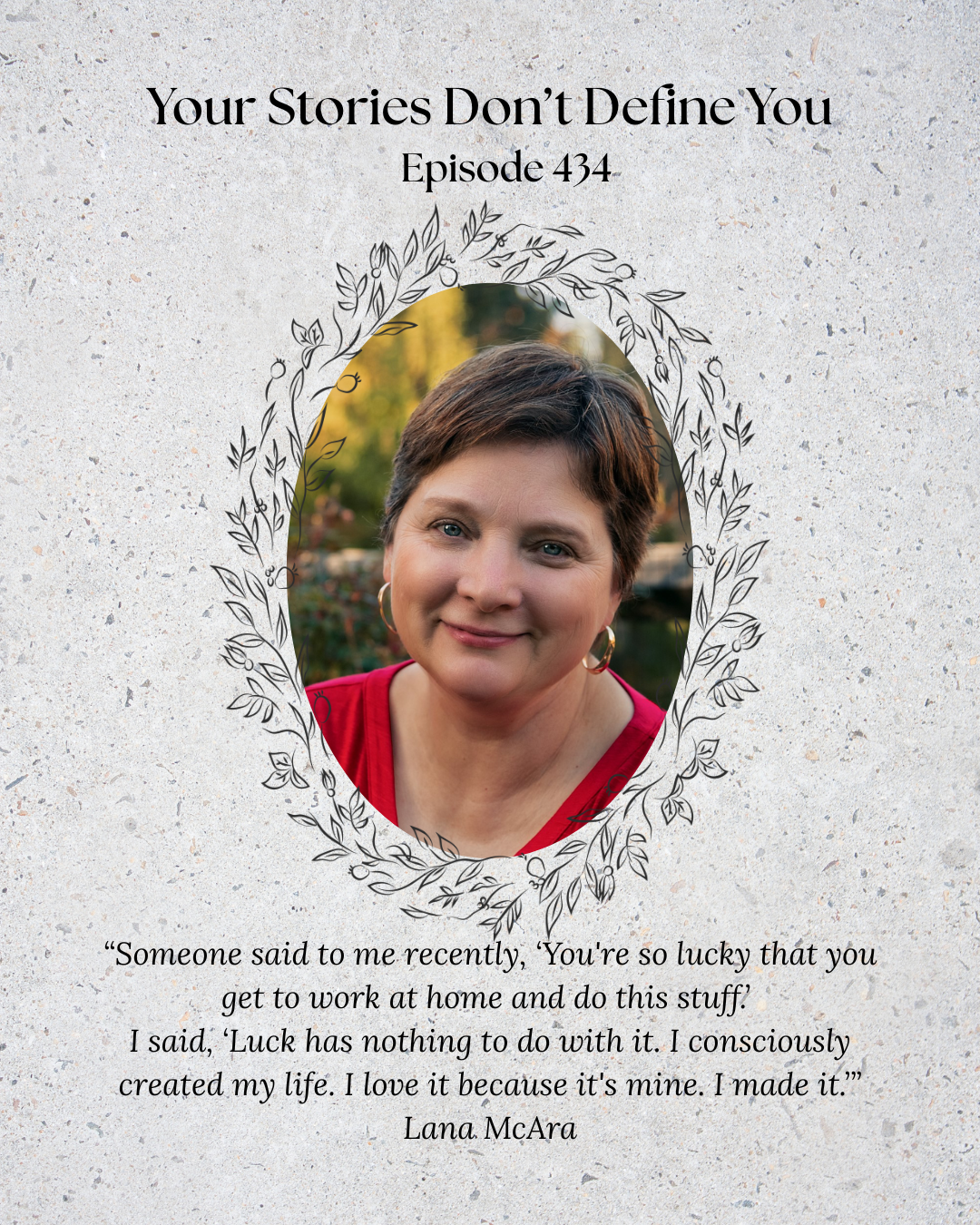
In this episode, podcast host Sarah Elkins and ghostwriter and publisher Lana McAra discuss Lana's unique approach to publishing and her deep understanding of what it takes to be an effective ghost writer for fiction and nonfiction books.
Lana grew up in an Amish community in Pennsylvania, but wasn't raised in an Amish household. Growing up on the edge of that tightknit community fostered her ability to provide a detached, professional listening style, allowing Lana to draw out client vulnerability without personal entanglement.
Her approach to ghost writing and guiding authors in her publishing business is "co-creation". She's a guide, someone who listens to ideas and gently engages the writer or co-creator with questions that shift the conversation, pulling a thread that the co-creator might not have even noticed was unraveling - in a beautiful, thoughtful way.
Highlights:
"Slow Down and Listen" is her Guiding Principle: A personal realization that "life is lived in between" the big events drives Lana's practice of slowing down to be fully present, which she sees as the key to connection.
Lana's active listening—reflecting back her nearly 80 year old client's ideas simplified his complex philosophical ideas into simpler terms—and made him feel truly understood. The client's demeanor transformed into a "sweet collaboration."
Client Quote: "There aren't many people that I can talk to about this... except for you."
Lana homeschooled seven children for 25 years.
Method: Used hands-on projects (e.g., decoupage placemats from Christmas cards) to create a relaxed environment.
Result: These activities fostered natural conversation and connection, replacing bickering with "magical" moments.
Quotes:
“Life is lived in between. Life is lived in the moments in between the big events. It's those moments when life is really, really happening.”
“If I sit quietly with them [ghostwriting clients] for a few minutes, I can ... tune in to where they're coming from through this active listening that I've learned to do over the years. Then I can hear them at that deeper level, [I hear] what's going on behind the words.”
“I have a publishing company that is a traditional publisher but we do it a different way, ... the author keeps all their rights. They keep creative control and still get the wide distribution and support that you would expect from a traditional publisher.”
Listeners, now it's your turn:
What did you get from this conversation? Maybe you're going to go look for the Object Diaries podcast hosted byLisa Weiss.
Maybe you're going to pick out your object that becomes the focal point of a story. Will you realize that you have a great story in you and you just need a little help to craft it?
I'd love to hear your thoughts after you listen to this episode send me a message go to elkinsconsulting.com or send me a message on LinkedIn or Instagram.
About Lana:
Lana McAra is an award-winning, international bestselling author and ghostwriter of more than 50 books with over one million copies sold. Founder of Vendela Publishing, she works with writers who want to build long-term careers and reach readers beyond the algorithm. Lana has spent more than two decades teaching fiction writing and speaking to writers about the business of publishing.
Learn more by visiting her links -
https://vendelapublishing.com/
https://substack.com/@inthewriterschair
About Sarah:
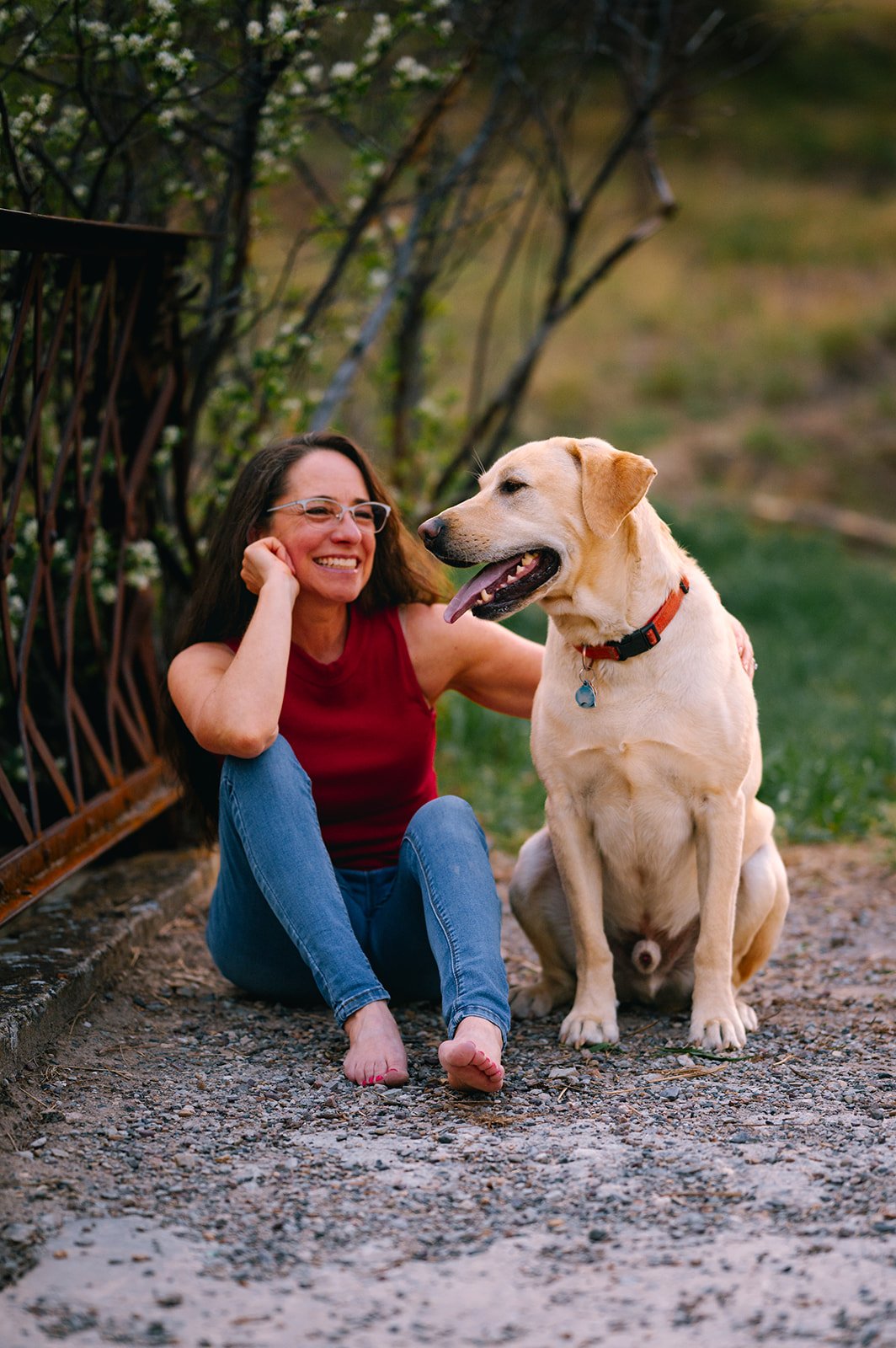
Sarah is a Montana based workplace communication trainer, TEDx speaker, DisruptHR speaker, public speaking coach, professional storyteller, musician, and podcast host. Her workshops and coaching packages with teams and their leaders are known to address and reduce miscommunication – the most common cause of tension and stress in the workplace. Using the team’s results from the StrengthsFinder assessment, she guides teams in learning to speak each other’s “language”, learning to value each other’s strengths and connecting with each other through enhanced self-reflection and effective listening.
Sarah’s nearly 20 years working in government agencies inspired her to complete her MBA and to achieve her StrengthsFinder certification to improve work environments for others, guiding teams toward increased satisfaction, productivity, and happiness.
Visit her website to purchase her book, Your Stories Don't Define You in paperback or audiobook.
323 Authentic Connections
Authentic connections can be difficult to find, whether it be from not being taught the skills to form these connections or simply losing touch with former acquaintances, it can be difficult but not impossible and with the proper tools and a heartfelt message, authentic connections can be found anywhere.
In today’s episode Sarah Elkins and Amy Daughters discuss the importance of authentic connections and how having meaningful conversations with individuals can lead to long term relationships.
323 Authentic Connections

Authentic connections can be difficult to find, whether it be from not being taught the skills to form these connections or simply losing touch with former acquaintances, it can be difficult but not impossible and with the proper tools and a heartfelt message, authentic connections can be found anywhere.
In today’s episode Sarah Elkins and Amy Daughters discuss the importance of authentic connections and how having meaningful conversations with individuals can lead to long term relationships.
Highlights
You’ll never know how profound a connection can be unless you reach out.
It only takes a thoughtful act to change not just the person receiving, but the person giving.
In the age of social media it’s more important than ever to treat people like individuals with their own stories and burdens they carry.
Act with love in your heart, and encourage others to do the same.
Quotes

“It’s generally accepted that if you write me and tell me that you care about me and value me, that I’m the one that walks away the person most changed. But the reality, and I learned this 580 times, You’re the person who’s the most changed. The person who is releasing that thank you, that congratulations. Because I went from saying “What am I going to even say in these letters?” to once I looked at their profile and once I realized who they were to me, all of a sudden I had so much stuff to say; Thank you, I’m sorry, Congratulations, I support you. And I started to see all these things that were going on in people’s lives that I couldn’t see in the news feed that I had to treat people one person at a time.”
“The handwriting is somebody’s personality but it’s also the physical manifestation of how somebody feels about you and how it made you feel.”
“I think what we try do is we try to put everyone else in our own little box, you know whatever it is that you feel like you’re inspired to do. I was inspired to do that, but everyone is inspired to do something, they have a moment in their heart where they’re like, “Oh that’s what I want to do.” We got to encourage each other to do that.”
Dear Listeners it is now your turn,
Remember that title; Your Stories Don’t Define You But How You Tell Them Will. What are the stories that people can tell about you based on what you take from this conversation? Think about the stories people are telling about Dana and Parker, and about Amy, that they’ll never know and yet continue to create this ripple effect of connecting beyond the keyboard. Connecting authentically in a way that makes people feel seen and heard. What will you do? What is your next step?
And, as always, thank you for listening.
About Amy

Amy Weinland Daughters, Award-Winning Author and Keynote Speaker, believes in a world where what makes us different is the very thing that connects us, instead of separates us. She brings that world to life by helping people reconnect to each other through the power of hand-written letters. She brings her wit, humor, and having written 580 handwritten letters to every single one of her Facebook friends, to show you how you can find deep connections in some of the most unexpected places.
Be sure to check out Amy’s LinkedIn, Facebook, and Instagram!
About Sarah
"Uncovering the right stories for the right audiences so executives, leaders, public speakers, and job seekers can clearly and actively demonstrate their character, values, and vision."
In my work with coaching clients, I guide people to improve their communication using storytelling as the foundation of our work together. What I’ve realized over years of coaching and podcasting is that the majority of people don’t realize the impact of the stories they share - on their internal messages, and on the people they’re sharing them with.
My work with leaders and people who aspire to be leaders follows a similar path to the interviews on my podcast, uncovering pivotal moments in their lives and learning how to share them to connect more authentically with others, to make their presentations and speaking more engaging, to reveal patterns that have kept them stuck or moved them forward, and to improve their relationships at work and at home.
The audiobook, Your Stories Don’t Define You, How You Tell Them Will is now available!
Included with your purchase are two bonus tracks, songs recorded by Sarah's band, Spare Change, in her living room in Montana.
Be sure to check out the Storytelling For Professionals Course as well to make sure you nail that next interview!

244: How Does Storytelling Make You More Relatable and Inspiring?
In this episode Sarah Elkins and her guest, Greg McDonough, an accomplished entrepeneur and finance consultant, discuss the importance of telling one's story in a meaningful and relevant way so that it resonates with the audience in a way that can be both compelling and inspiring.
The Meaningfulness of Relevant Stories

In this episode Sarah Elkins and her guest, Greg McDonough, an accomplished entrepeneur and finance consultant, discuss the importance of telling one's story in a meaningful and relevant way so that it resonates with the audience in a way that can be both compelling and inspiring.
Highlights from the episode:
Your strengths are your stories.
Sharing somthing meaningful so that it is relevant.
People want to see that these stories are possible and achievable.
Quotes
It's not about your story, it's about how your audience receives it.
Be conscious of where you are in the moment and how the moment is going to reflect in your stories going forward.
Referenced in this podcast:
The Impactful Leadership podcast episode featuring Sarah Elkins
The Entrepreneurs' Organization website
From Greg's LinkedIn profile:

My passion is to help my clients balance the amount of sleep they have with the amount they EAT (earnings after-tax). We manage their risk-taking so they can sleep better at night while also managing their business to produce the after-tax cash flow they need. It is a tricky combination but through a team approach, we are able to achieve these goals together.
Connect with Greg on LinkedIn, subscribe to The Impactful Leadership podcast, and check out his website!
*Show notes contributed by Chinook Bromlie-Estey
About Sarah:
"Uncovering the right stories for the right audiences so executives, leaders, public speakers, and job seekers can clearly and actively demonstrate their character, values, and vision."
In my work with coaching clients, I guide people to improve their communication using storytelling as the foundation of our work together. What I’ve realized over years of coaching and podcasting is that the majority of people don’t realize the impact of the stories they share - on their internal messages, and on the people they’re sharing them with.
214: Slowing Down Time - the In-Between
It was in a recent conversation that I realized this about myself, that I am in a constant state of change and churn, and that I sometimes let that get me anxious and stressed. It's silly, since I know I bring this on myself. I could say no. I could turn down opportunities to sing, to speak, to mentor someone. But I love it. I love this feeling of change and growth, and none of the decisions I make are things I don't want to do.
Stories of Mindfulness to Address Uncertainty
Uncertainty Isn’t Always a Bad Thing, We Can Thrive Here
Many years ago, I read a post by Nilofer Merchant about what she calls In-Between Space,
Summers when you were young were the in-between spaces of learning – where you could languish in play time and know learning time was ahead... That time where you got a job offer but hadn’t started yet. Maybe even during the search for a new role. Perhaps it is as simple as when you are clear of a new direction.

I think of that post often; I live in In-Between Space, it's a weird sort of comfort zone for me. I rarely stay content in a job, a dynamic, a relationship. There has to be consistent growth and change in everything I do.
It was in a recent conversation that I realized this about myself, that I am in a constant state of change and churn, and that I sometimes let that get me anxious and stressed. It's silly, since I know I bring this on myself. I could say no. I could turn down opportunities to sing, to speak, to mentor someone. But I love it. I love this feeling of change and growth, and none of the decisions I make are things I don't want to do.
In StrengthsFinder, that is a direct reflection of my Activator and Adaptability talents. If you’re one of those people who struggles in meetings without good facilitation, meetings without a focus on action items, and you find yourself in an almost constant sense of urgency, you may be an Activator, too.
The combination of Activator and Adaptability means I spend a lot more of my days in transition, and a lot fewer of my days in periods of contentedness.
For most of my life that has been a disadvantage. You’ve heard the term “job hopper”, right? When I was starting my career, that was a seriously negative description. People close to me would voice concern every time I changed jobs: “that’ll look bad on your resume!”
But for the past nearly 3 years, this part of my character has been valued, appreciated. People have reached out to me for guidance more than ever. They know if anyone is going to deal with uncertainty with grace and optimism, it’s going to be me - or someone else with Adaptability in their top talents (though they may not know it.)
I realized a few years ago that though it’s not uncommon to find people like me, the majority of people prefer long periods of contentedness and short periods of transition - exactly the opposite to how I live my life.
During a recording of Lois Koffi’s podcast, Healthy-n-Wealthy-n-Wise, Lois asked me about that, how those of us without Adaptability up there in our talents can deal with all of this uncertainty with grace.
That’s where this “in-between space” reference comes in.
For most people, periods of uncertainty are uncomfortable, to say the least. Consider, though, the time between giving your notice at one job and starting the next one. Or the time of your wedding engagement, between the announcement and the event itself. Or pregnancy. Or the summer between school years… all of those are in-between spaces, full of possibility - and uncertainty.
My answer to Lois included two strategies:
1) Your mindset must shift to possibility as opposed to worry. Surround yourself with people who think differently from you, people who have complementary talents. Find an Activator, an Adaptability partner to bring you comfort simply because they will weather this uncertainty storm with optimism and action.
2) Find small routines or habits that bring you a sense of stability and comfort and practice them with intention. When your brain starts to wind up with the negative “what ifs”, practice looking for things that are certain, things that - even if they’re not great - are consistent in your life. This is what mindfulness is all about: Being fully present, in the moment. Tell yourself “right now, in this moment, I am breathing, I am sitting here with consciousness.” This isn’t just about gratitude, though that’s really helpful in this context, it’s about knowing what’s certain in a given moment. Here’s one of mine: “I’m certain that right now, in this moment, I’m safe, I’m warm, I’m not hungry, and my dog is peacefully sleeping beside me.”
When we acknowledge and value our in-between time, we are able to process a past experience and begin to consider the potential for our future.
If you have children or fur-babies, it’s a great way to slow down time so you don’t regret missing out on the limited years we get to spend with them.
When planning our wedding 25 years ago, I kept a journal to document all the details. I knew that by embracing and enjoying each part of the journey, I would slow down the time before the actual wedding day. I also figured that this strategy would help with the emotional let-down following a major event.
To slow down time, I need to stop thinking of each day as stressful or uncertain, stop trying to make something happen every moment, and start thinking about each day as an opportunity to enjoy the journey leading to whatever is next.
Are you an In-Between Space person, too? Do you embrace that side of you, or does it keep you frustrated and anxious?
Thank you for listening to the Your Stories Don’t Define You podcast!
There are still spots available for the fifth No Longer Virtual Conference coming up March 3rd and 4th, 2022 in Park City, Utah. Bringing entrepreneurs and innovators together in a small venue, limited to 40 people, to #connectbeyondthekeyboard, to learn from each other and grow in our personal and professional lives. Visit elkinsconsulting.com for more details and to view the fabulous agenda.
Are you facing a transition right now? A big birthday coming up, considering a major career change, retirement? Empty nesting or divorce?
Are you overwhelmed with the millions of opportunities that seem to be opening in our global community? Not sure where to start, what questions to ask yourself, and questioning what you’re even qualified for?
If you’re eager to start exploring and would appreciate a guide, my recently launched Discovering Clarity course is available now for just $149. I highly recommend that you register with a friend or group of friends to keep each other accountable, message me for a discount code for multiple registrations. Visit elkins consulting.com / discovering-clarity.
My friend Trent said this to me a few years ago: Hope is not a strategy.
Instead of "I hope this year is better" say "this year will be better." And then take steps to MAKE it better. In my work I call it planting seeds. Every day that my motivation drops I ask myself which seeds I can plant right. this. minute. to improve my future. I make myself choose two seeds, one for future income and one for the health of an important relationship. It's really amazing how much can change by simply taking small steps. But nothing changes if you say "I hope 2022 is better than 2021" and then do nothing to make that happen. What seeds will you plant today?
Episode 196: Get Out There! Dance! Be Silly! Don't Face Regret
I remember being shy, I remember being more self conscious than I am now. I like to say I don’t regret, but there are definitely some moments in my past that I wish I could do over again. A lot of them involve sitting out a great song because I was self conscious about dancing. Opportunities flew right past me: To sing with great musicians, to dance, to swim in the ocean. The memories of that person, the girl who didn’t raise her hand to volunteer on stage, the girl who said no to a cute boy because she didn’t think she could dance, the one who was so concerned about how she looked or that she might mess up a note, those memories came back to me as I watched the woman in the audience look away from me. What a waste.
Mae West Said It Best: "I Only Regret the Things I Didn't Do"
*Note from Sarah: We're just a few weeks away from publishing our 200th episode! If you're a fan of the podcast, we'd love to hear from you and include your words in the beginning of that episode. Simply email your thoughts to sarahelkins@elkinsconsulting.com, or record a short voice memo on your phone and email it to me. Thank you in advance for helping us celebrate this milestone!*

Sarah Elkins quote and image for podcast cover art.
She was sitting on a bench in the corner of the room, watching people dancing and having fun. I could see her toe tapping, she seemed to be enjoying the music, but I couldn’t really tell because her face didn’t show any signs of a smile. I saw her the last time our band played at that venue, and remembered when she quietly came to me afterward to tell me how much she liked our band, and that if she knew how to dance, she would have. She was so shy.
I called out to her from the stage: “Come on out, dance with us! I can see you want to! Come on out and have some fun!” I motioned to my friends on the dance floor, smiling to encourage her.

Sarah Elkins performing on stage with Bob Schmitt and the band Rocket to Uranus
She looked behind her, assuming I was talking to someone else. And then she looked straight at me with zero expression. I gave up. A song or two later, I noticed she had left her spot and walked further away from stage, watching from a safer distance.
I remember being shy, I remember being more self conscious than I am now. I like to say I don’t regret, but there are definitely some moments in my past that I wish I could do over again. A lot of them involve sitting out a great song because I was self conscious about dancing. Opportunities flew right past me: To sing with great musicians, to dance, to swim in the ocean. The memories of that person, the girl who didn’t raise her hand to volunteer on stage, the girl who said no to a cute boy because she didn’t think she could dance, the one who was so concerned about how she looked or that she might mess up a note, those memories came back to me as I watched the woman in the audience look away from me. What a waste.
How did things change for me? With a little help from my friends. I was lucky enough to have friends to pull me out on the dance floor, to volunteer me to get on a stage, to tell me not to be scared. Now I’m that friend.
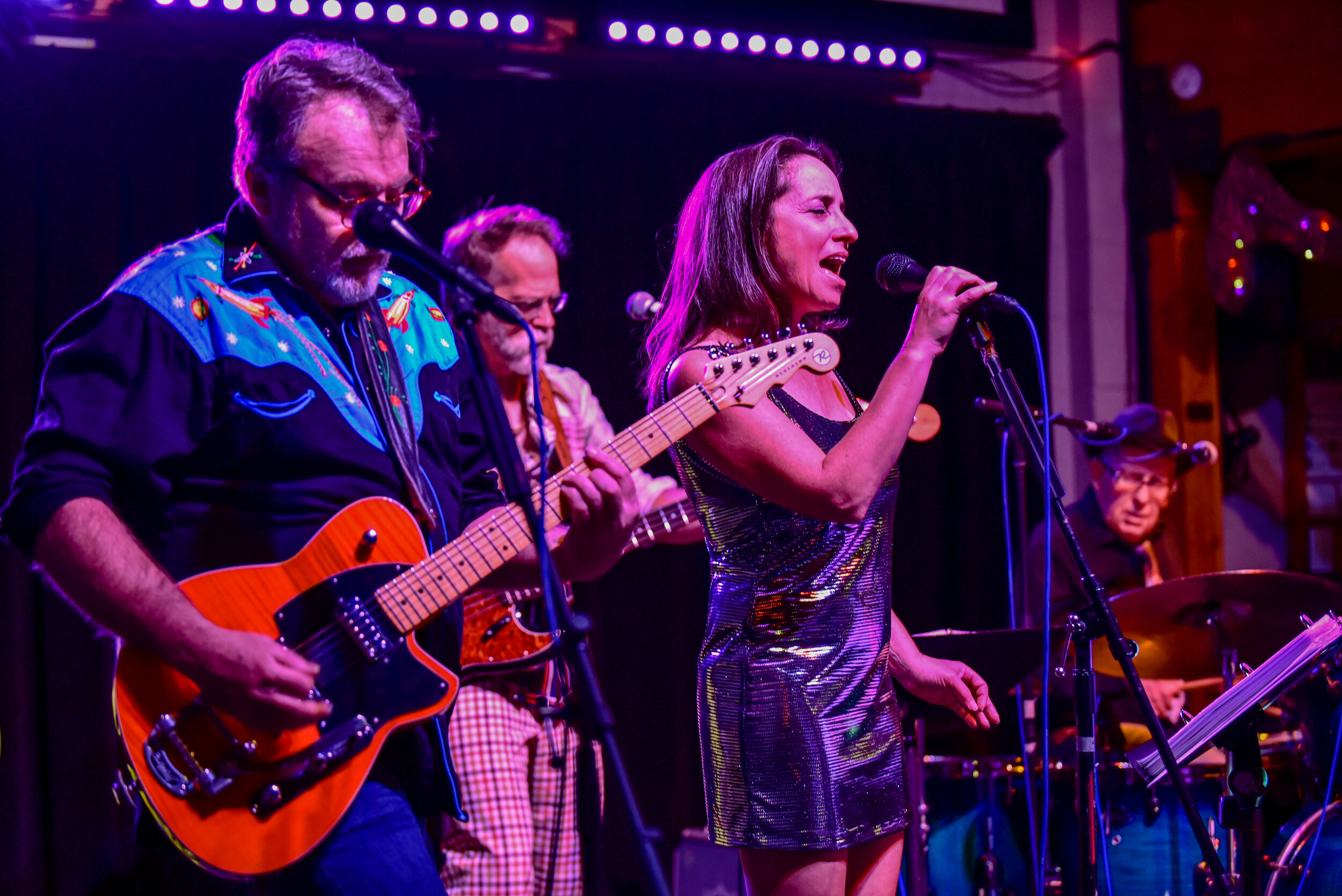
Rocket to Uranus on stage at Lewis and Clark Brewing, Helena, Montana 2019
At some point in my life, I realized:
It doesn’t matter if you do something silly, as long as you own it. The audience likes to see you laugh, and if there are hecklers, they really don’t matter.
The majority of the people in the audience want to see you succeed, they want to see you having fun, and many are thinking about how brave you are for getting up there.
I tell my friends, my coaching clients, my children, that they must step up when an opportunity presents itself. If, for just a moment, you think “wow, that looks like fun, I wonder what it’s like to…,” take it. Leave that self conscious person behind and take the leap.

Sarah Elkins quote and image for podcast cover art.
Living with regret is not living. When you don’t have the energy or physical ability to dance, you will be sitting in the corner, thinking “what I’d give to dance right now. I love this song.”
I hope not. I know I won’t be that person.
I’ll be the one holding the mic.
ABOUT SARAH:
"Uncovering the right stories for the right audiences so executives, leaders, public speakers, and job seekers can clearly and actively demonstrate their character, values, and vision."

Image of Sarah with dog, Toby, in the snow with Elkins Consulting logo and Gallup StrengthsFinder logo
In my work with coaching clients, I guide people to improve their communication using storytelling as the foundation of our work together. What I’ve realized over years of coaching and podcasting is that the majority of people don’t realize the impact of the stories they share - on their internal messages, and on the people they’re sharing them with.
My work with leaders and people who aspire to be leaders follows a similar path to the interviews on my podcast, uncovering pivotal moments in their lives and learning how to share them to connect more authentically with others, to make their presentations and speaking more engaging, to reveal patterns that have kept them stuck or moved them forward, and to improve their relationships at work and at home.
The audiobook, Your Stories Don’t Define You, How You Tell Them Will is now available!
Included with your purchase are two bonus tracks, songs recorded by Sarah's band, Spare Change, in her living room in Montana.
Episode 182: Do You Have a Personal Story Portfolio?
"I just don't think that way - in a linear timeline of events. I read your book, but I couldn't start collecting my stories, even when I tried to use the exercises and worksheets you provided."
Mary was getting ready for a series of interviews, and she knew preparing a few personal stories would be critical to truly engaging her interviewers and their audiences.
How to Collect Your Stories For Every Audience

Episode 182 podcast cover art with quote & image of Sarah Elkins
"I just don't think that way - in a linear timeline of events. I read your book, but I couldn't start collecting my stories, even when I tried to use the exercises and worksheets you provided."
Mary was getting ready for a series of interviews, and she knew preparing a few personal stories would be critical to truly engaging her interviewers and their audiences.

Page 133 of the book, Your Stories Don’t Define You
When I started as a communication coach, my intention was to guide people toward useful self-reflection. That's the only way to be a good communicator, you have to know yourself, understand your role in miscommunication, and be aware of how you're being perceived by the people around you.
It's not about being a chameleon, changing who you are based on the person you're speaking with, it's about being intentional about what you want as the result of any interaction, and making adjustments in how you present information so you're more likely to be understood - and to understand.
I use storytelling as the foundation of my work because the stories people tell - and how they tell them - say a lot about who they are, how they think, and where they're getting in their own way.
After two sessions, Mary was getting frustrated at her inability to recall key parts of her life with any detail. She struggled with the structure I created in the book and felt like it was her failure in memory that was causing the problem.
At the beginning of our third session, I had a moment of clarity.
"Tell me about someone who was in your life briefly, and had a profound impact on you."
She immediately recalled a professor she struggled with during her master's degree program.
"What did he look like? Can you see him now, can you imagine he's in front of you?"
"Where would you have had a conversation with him? Put yourself there."
"When you think of a time you sat in that place with him, what is the conversation you're having?"
Suddenly a world opened up in front of us. My client had a vivid memory of a pivotal conversation she had with the professor. She recalled where they were standing, what had happened in the hours before, and exactly what happened in the days following.
It was a powerful memory and an incredible story.

Book cover image, Your Stories Don’t Define You, How You Tell Them Will
The book Your Stories Don't Define You, How You Tell Them Will includes worksheets and exercises to guide readers to begin collecting stories in a story portfolio. The intention is to have a variety of stories ready to use at an appropriate time, with an appropriate audience.
The worksheets begin by asking about particular eras in the reader's life, a broad description like: "First year out of high school", "the year my father died", "my engagement and first year of marriage."
As the reader continues through the book, they're asked to recall certain pivotal moments within those eras, like a particular adventure or situation they experienced right after they graduated from high school, maybe a car accident or moving into the dormitory for their freshman year of college. The worksheets guide the reader to dig into those memories to uncover details about where they were, who was with them, and what made the moment scary, enlightening, exciting, awesome...
Working with Mary made me realize there are many other ways to collect these stories, and that some people don't think in such a linear way to be able to pick out eras as being pivotal parts of their lives.
At the end of our third session, I asked Mary to do some homework prior to our next appointment.
"Write down the names of two other people who had major influence on your life. Not your parents or direct family members - yet. Think about both positive and negative experiences, I know I have some unhappy, challenging memories of particular people who had influence on who I am today, for better or for worse."
She came back to our next session eager to begin, and we uncovered three more great stories for her portfolio.
Mary was ready for more homework.
"This week, jot down a few locations, places you visited or lived, that you know now were meaningful to you. Think about your first apartment, or maybe a house you lived in for a short time, but where important things happened when you lived there."
Our sessions from that point forward were full of energy, memories, and incredible discussions about her experiences with particular people and in particular locations.
By our sixth session together, she had a portfolio full of great story ideas, and she was ready to start fleshing them out into stories to practice telling in person, to prepare for the interviews she had scheduled, and to write as blog posts to share.
But we weren't done yet.
Now that she had great story ideas, it was time to categorize them so she'd have a better idea of when to share them!
We worked through her StrengthFinder results and discussed what was important to her in terms of how she was perceived, especially for the upcoming interviews.
Mary said: "I want to be known as reliable, knowledgable and competent in my field, and as someone with a sense of humor."
Slowly and carefully, we reviewed the many stories in her collection and categorized them:
These demonstrate my reliability.
These demonstrate my sense of humor.
This story demonstrates my knowledge in my field.
There were some that crossed multiple categories, of course.
Having this structure gave her confidence, particularly as we uncovered specific work-related stories that, instead of saying "I'm reliable!", she could share one that demonstrated her reliability. It no longer felt like bragging, it felt like a story, complete with an obstacle, other characters, a specific project, a location, and a successful conclusion.
As any author will tell you, I never really thought Your Stories Don't Define You was complete. If I hadn't made certain promises, it might never have been published. I always found changes I wanted to make and additions that would make it better.
But I remember reading the story portfolio instructions and reviewing the worksheets and thinking they were good, they were ready for readers to use.
They're still good, and many readers have found them to be a great start for their own story portfolios, but I suppose if I had it to do again, I might consider a few other options beyond starting with general eras in a lifetime.
If you're collecting stories for your story portfolio, remember that there isn't just one way to do anything. Use the tools that work for you. The important part is that you realize how your stories can influence your internal messages and the perceptions of others, and that you're beginning to collect them.
And when you have one of your own "ah ha!" moments with one of these vivid memories, I hope you'll reach out and let me know.
---
ABOUT SARAH:

Elkins Consulting logo plus image of Sarah Elkins with dog and Gallup StrengthsFinder Coach logo
"Uncovering the right stories for the right audiences so executives, leaders, public speakers, and job seekers can clearly and actively demonstrate their character, values, and vision."
In my work with coaching clients, I guide people to improve their communication using storytelling as the foundation of our work together. What I’ve realized over years of coaching and podcasting is that the majority of people don’t realize the impact of the stories they share - on their internal messages, and on the people they’re sharing them with.

Audiobook cover promo art
My work with leaders and people who aspire to be leaders follows a similar path to the interviews on my podcast, uncovering pivotal moments in their lives and learning how to share them to connect more authentically with others, to make their presentations and speaking more engaging, to reveal patterns that have kept them stuck or moved them forward, and to improve their relationships at work and at home.
The audiobook, Your Stories Don’t Define You, How You Tell Them Will is now available!
Included with your purchase are two bonus tracks, songs recorded by Sarah's band, Spare Change, in her living room in Montana.
Episode 180: When You Question Everything, You Can't Help But Create Your Own Path
Laura DiBenedetto goes down rabbit holes regularly, exploring random thoughts that drive her deeply into a variety of questions, leading her to nowhere and everywhere. Her curiosity is what drives her, what has always driven her to question authority, traditional roles, and beliefs. She is one of those people who has always marched to the beat of her own drum, who has chosen whatever path looked less traveled.
What Stories Created Your Most Powerful Personal Narratives?
Laura DiBenedetto goes down rabbit holes regularly, exploring random thoughts that drive her deeply into a variety of questions, leading her to nowhere and everywhere.

Laura DiBenedetto episode 180 podcast cover art
Her curiosity is what drives her, what has always driven her to question authority, traditional roles, and beliefs. She is one of those people who has always marched to the beat of her own drum, who has chosen whatever path looked less traveled.
Her book is a result of her curiosity, her sense of wonder about what happiness is all about, and why some people are happy and others struggle in their search for it.
Our conversation began with a question about whether and how the name we're given impacts our personalities, and continued down the path of personal identity and how it's shaped.
Laura's TEDx caught my attention, and her book of the same title, The Six Habits of the Happiest People made me want to invite her to be a guest on this podcast.

Laura DiBenedetto episode 180 podcast cover art
She is full of energy and ambition in her legacy of guiding others toward happiness, whatever the definition at any piont in their lives.
When you've heard how she got to where she is, you'll want to connect with her on LinkedIn, follow her on Instagram and Facebook, and grab a copy of her book.
---
TEDx Speaker, #1 Bestselling author of The Six Habitsand Life Mastery Coach, Laura DiBenedetto teaches how to create the life of our dreams without sacrificing what we love. As Founder and CEO of Vision Advertising, a company that she built aged 19, she has helped hundreds of entrepreneurs build and grow profitable enterprises entirely on their terms.

ABOUT SARAH:
"Uncovering the right stories for the right audiences so executives, leaders, public speakers, and job seekers can clearly and actively demonstrate their character, values, and vision."
In my work with coaching clients, I guide people to improve their communication using storytelling as the foundation of our work together. What I’ve realized over years of coaching and podcasting is that the majority of people don’t realize the impact of the stories they share - on their internal messages, and on the people they’re sharing them with.
My work with leaders and people who aspire to be leaders follows a similar path to the interviews on my podcast, uncovering pivotal moments in their lives and learning how to share them to connect more authentically with others, to make their presentations and speaking more engaging, to reveal patterns that have kept them stuck or moved them forward, and to improve their relationships at work and at home. The audiobook, Your Stories Don’t Define You, How You Tell Them Will is now available!
Included with your purchase are two bonus tracks, songs recorded by Sarah's band, Spare Change, in her living room in Montana.