
Your Stories Don’t Define You
How You Tell Them Will
A podcast to unlock your stories and uncover meaningful insights.
Your Words Have Impact When You Least Expect It
And Your Actions Will Carry Even More Weight

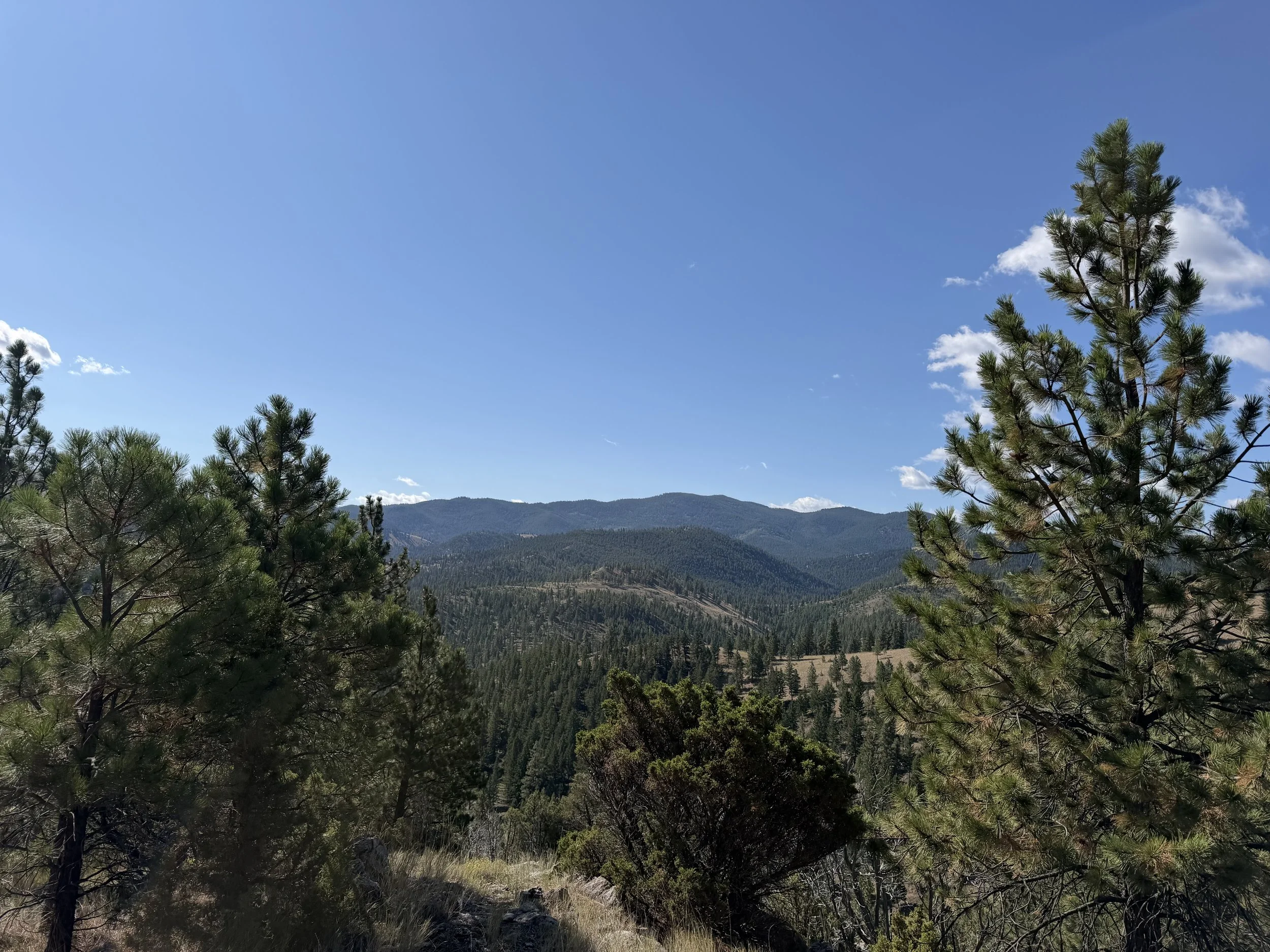
Sarah & Mom, Mt. Helena City Park
I have moments in conversations with my children that I think: “That was good! Where did that wisdom come from?” And in my mind, I’ve said something so perceptive, so wise, that my boys are sure to remember it and apply it.
That’s rarely the way it works. They remember some of the most ridiculous things I’ve said, and most of the time when they tell me something deep that I shared with them, I have no memory of the conversation.
When my mother came to visit our family recently, I took the opportunity to have this conversation with her: Do you remember telling me these wise things that I’ve written about in my blog? At the time you shared these words with me, did you think they would have life-long impact?
I loved this conversation, partly because it confirmed this generational commonality, that our children remember things we don’t remember. And more importantly, that they remember our actions, the values we demonstrated to them, with even more clarity.
In our conversation we mentioned a few things related to childbirth and breast feeding, and I promised to include links to explain. Mom mentioned meconium aspiration, and her activity in the early 70s with La Leche League.
Also in the conversation, we talked about the Jewish holiday called Purim, the cookies we make to celebrate that holiday, and the act of delivering a basket of those cookies and other treats anonymously to people.

Sarah and Mom, Helena Regional Airport
Knowing that we think differently, and process information differently is critical to the health of our relationships, and talking through how we remember our family history helps clarify those differences. When I remember hard times, specific incidents that had impact on me, I vividly remember the people involved, and my feelings and experiences with those people. It turns out that when my mother remembers specific incidents that had big impact on her, she remembers her feelings about it, the emotions she experienced, not the specific people involved.
Having this conversation allowed me some insights in terms of her emotional response to things I say or struggles she experiences in her life. She simply processes things differently from how I process them, and there’s so much beauty in that difference.
Your Turn
Have you told people the impact they had on you? Do you share your memories with people, so they understand how much their actions meant to you? When you share these stories with people in your life, you have an incredible opportunity not only to be grateful, which has positive impact on your brain, and to thank people, but to see those same experiences through their eyes.

Welcome to the Real World
"Have fun, welcome to the real world!" As if your life as you know it, the here and now, isn't somehow the REAL WORLD?
Our older son is getting ready to graduate from high school. It has not been an easy road for him. We spent a lot of time and money over the years at office supply stores, trying to find tools to help him stay organized and on top of things. Nothing really worked, and as a result, his grades were never stellar. To add to his level of stress over the past few years, our family has experienced a lot of grief, the loss of both of his grandfathers, his step-grandfather, and a very close family friend, all within 3 years. After our most recent loss, a musician who spent a lot of time in our house, I asked how he was feeling:
"I'm ok, mom. I guess I'm just sort of numb at this point."
When people talk about his graduation and the beginning of his "real world" experience, I bristle.
I remember when I was graduating from high school and people said: "Have fun, welcome to the real world!" I also remember being in college and people dismissed my frustrations with comments like "just wait until you get into the REAL WORLD."
It was as if life as I knew it, those years of struggle and growth, somehow didn't qualify as the REAL WORLD.
I can't be the only one who remembers those tween and teen years like they were yesterday. It's not just memories of things that happened or things I did; I have vivid, painful and wonderful memories of how I felt. Those feelings were real. Those struggles were real, some of them more real and more impactful than many experiences since then. Those difficult times, those triumphs and perceived failures were very real to me and continue to shape who I am and who I want to be in the future.
Can you honestly say those years didn't somehow change you? That the personal discoveries and dysfunctional relationships, those physical changes didn't have an impact on who you are today?
The real world is whatever we are experiencing at any given time. I can appreciate that as a young child and teenager my worries were significantly different from the adults around me, but they weren't insignificant. I didn't have to go to a job I might not like for 40+ hours each week; I didn't have to buy my own groceries, toilet paper, and laundry detergent, and I didn't have to worry about rent or mortgage or savings.
My real world then was filled with mean girls, difficult relationships, being a mediocre student (at best), and all the drama that comes with the hormonal fluctuations of a teenager. I wouldn't go back -- there's absolutely no way I would go back to those years.
In different stages of life, I remember observing people older than me and wondering what I would be like at that point in my life. In other stages in my life, I observe people younger than I am, and remember so much of what I was like, what I thought, how I felt, how I behaved. It gives me perspective and helps to remind me to not judge others; I can't possibly know what they're going through, what shaped them.
Maybe if we recognize that each individual has stories that shape us, from toddlers to adults, and that each story is relevant at every point in our lives, we can develop a better sense of how to help each other.
What do you think? Do you remember what it was like to be a teenager and young adult? Did those years feel like real life to you?