

Your Stories Don’t Define You
How You Tell Them Will
A podcast to unlock your stories and uncover meaningful insights.
106: Resilience and Persistence are Two Different Things - We Need Both to Thrive
Russ Johns’ life changed dramatically after falling three stories to shatter his wrist and break his arm. He was a professional musician - a drummer - but that was no longer an option after two years of surgeries and physical therapy. He was lucky to have any use of his arm… he was lucky to be alive.
Stories of Loss and Grief, Coupled with Gratitude and Inspiration
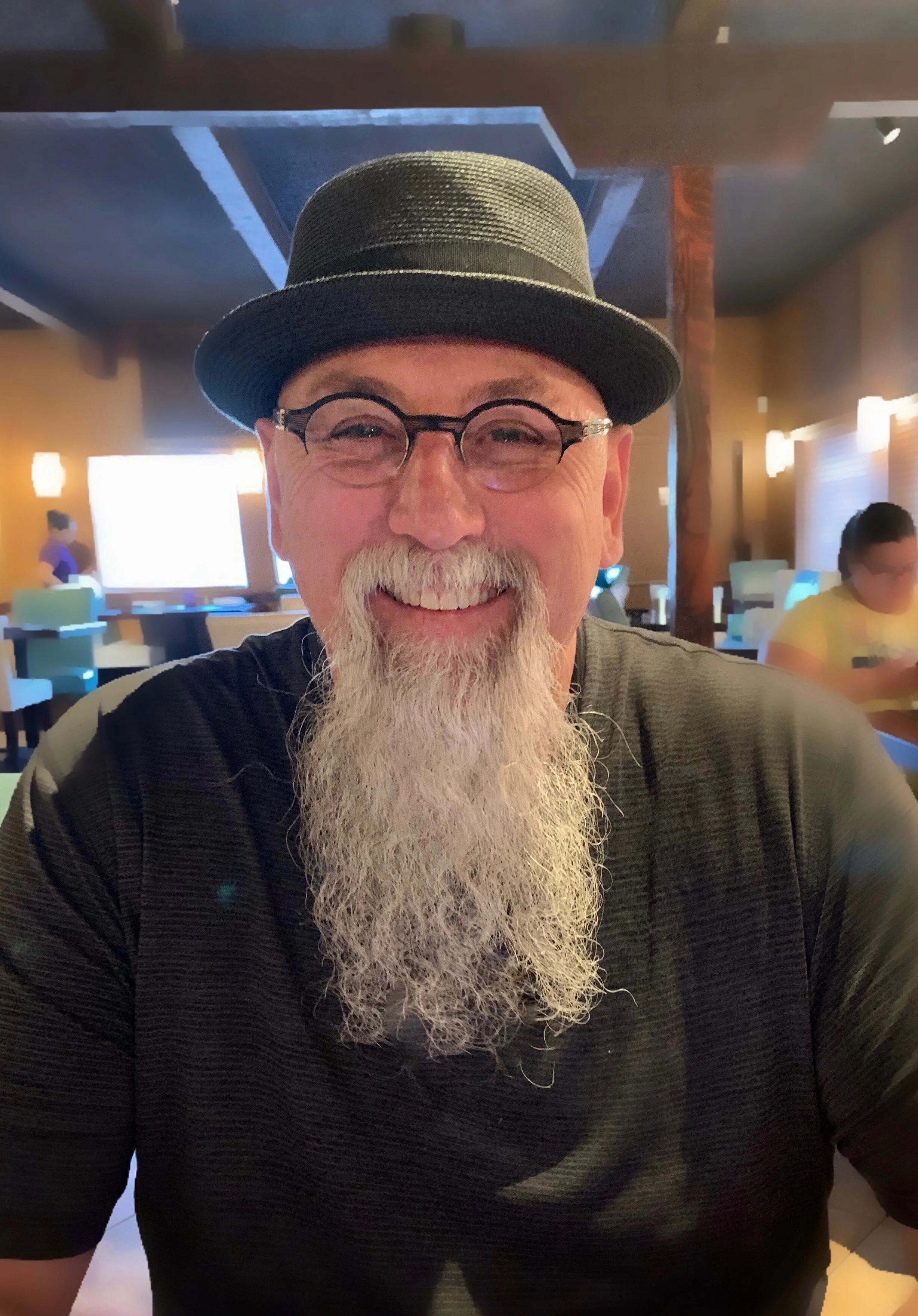
Russ Johns’ life changed dramatically after falling three stories to shatter his wrist and break his arm. He was a professional musician - a drummer - but that was no longer an option after two years of surgeries and physical therapy. He was lucky to have any use of his arm… he was lucky to be alive.
There’s just something about Russ’s energy that caught my attention, and I realized during our call that it is his curiosity and openness to listening and sharing stories, coupled with his sense of gratitude and wonder at life and living.
He shared some very personal history with me during our conversation, and I was especially grateful for the grace with which he shared the story about his son’s suicide, a story he shared on stage at a The Moth Story Hour event.
Russ demonstrates the title of this podcast so beautifully, I hope you enjoy listening as much as I enjoyed recording this episode.
The National Suicide Prevention Lifeline 1-800-273-TALK (8255)
A free, 24/7 confidential service that can provide people in suicidal crisis or emotional distress, or those around them, with support, information, and local resources.
Crisis Text Line
741-741
This free text-message service provides 24/7 support to those in crisis. Text 741-741 to connect with a trained crisis counselor right away.
We Can Choose How Our Stories Define Us
She could easily have given up all of her power, her love, her compassion. As a matter of fact, she tried to when she was 25. As she woke in the hospital after a suicide attempt, her dad (she was finally adopted by a loving family), who was not a particularly affectionate person, but who demonstrated love in other ways, was there, patting her hand. The look on his face said it all: He was disappointed, hurt, heartbroken at Ashley's choice to leave him and this world.
We Can Choose to Use Our Most Painful Experiences to Help Others
We all know a few people who cannot seem to get a break. These are the friends we have who were in tough childhood situations, moved from home to home, and had abusive teen and young adult years, and then seem to have tragedy after tragedy in their lives well into adulthood.
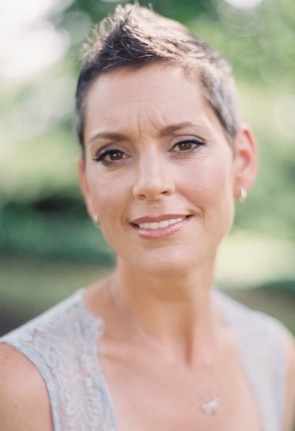
Some of them are angry and bitter, some are simply resigned to their fate, and then others become more and more resilient, making choices to grow and help others in a variety of ways.
That's Ashley Horner. She could easily have given up all of her power, her love, her compassion. As a matter of fact, she tried to when she was 25. As she woke in the hospital after a suicide attempt, her dad (she was finally adopted by a loving family), who was not a particularly affectionate person, but who demonstrated love in other ways, was there, patting her hand. The look on his face said it all: He was disappointed, hurt, heartbroken at Ashley's choice to leave him and this world.
It was his hand on hers that awakened her desire to live and thrive, and her motivation to make the changes necessary.
Years later, following more tragedy in her life, she decided to help others in a few different ways. First, she started a recruitment agencywith a focus on, and ambitious goal of helping veterans and members of the LGBTQ community. Next came Anchored Souls, to serve those who also suffered abuse and sexual assault, and then the recent creation of Anchored Kidz, an organization to help grandparents, extended family, and those children being raised by that family find resources and support as they navigate the sudden or unexpected custody of those children.
When we choose to use our most painful, damaging stories to motivate us to grow, thrive, and help others, we leave a legacy we can not possibly measure.
If you write on topics related to suicide, there are great resources available to make sure you are doing more good than harm. As a relatively uninformed professional on this topic, I use this website, ReportingSuicide.Org as a resource.
National Suicide Prevention Lifeline - Call 1–800–273–8255
Available 24 hours everyday.
Stories Shared Create Safe Space
Nicole Herbig and her partner at REBORN are acutely aware of the different world they're experiencing as a result of growing up not only as digital natives, but at the cusp of another industrial revolution.
Demonstrate Caring Online, Make a Difference Offline
Nicole Herbig and her partner, Maggie Rose, at RE|BORN are acutely aware of the different world they're experiencing as a result of growing up not only as digital natives, but at the cusp of another industrial revolution.
Her story isn't unique in that many young people have experience with mental health issues in their families. But her story is unique in that she sees this online social world for the impacts it's having on her peers, and she's doing something about it.
In this episode, Nicole and I share stories of our experiences with that disconnection our community members are feeling as a result of trying to replace face-to-face relationships with online relationships. In our discussion, we come to the conclusion that when we are intentional and caring in our activities on social media, we can translate that creation of safe space into an in-person safe space.
Toward the end of our conversation, we shared stories about the role music plays in how we connect with our own feelings, and to others around us. I mentioned a song our older son shared with me in his early teen years, and if I hadn't had the realization I needed to be fully present when he shared it, I might have missed an important opportunity to better understand him at that time in his life:
As is usually the case, the story I shared triggered a memory for Nicole, one about how music helped her look past her own discomfort with her mother's mental illness, to reach out to her and work toward improving their relationship:
Nicole's story is one we're going to hear more and more in the coming decades, and it makes me hopeful that younger generations are seeing the digital disconnect and finding ways to leverage these powerful tools to address big issues in mental health.
I write a lot about the disconnect between us and our human nature, particularly related to our dependence on our virtual connections. To read one of these articles, click here.
If you write on topics related to suicide, there are great resources available to make sure you are doing more good than harm. As a relatively uninformed professional on this topic, I use this website, ReportingSuicide.Org as a resource.
National Suicide Prevention Lifeline - Call 1–800–273–8255
Available 24 hours everyday
Nicole Herbig is days away from completing her bachelor degree in counseling psychology at Pillar College in New Jersey - with a 4.0 GPA. She's also full of creative energy and ambition, working to help address mental health issues in a way only a digital native can - using the constantly adaptive tools of technology at her fingertips. Learn more about Nicole and connect with her on LinkedIn, and visit the RE|BORN in its infancy, as she and her partner, Maggie Rose, continue to develop the mission and vision of this innovative project.