Your Stories Don’t Define You
How You Tell Them Will
A podcast to unlock your stories and uncover meaningful insights.
Episode 188: Podcast Brief 2 - Strategic and Activator Might Just Look Impulsive
She called me Speedy Gonzalez. My first coach after becoming a Gallup certified StrengthsFinder coach had a gorgeous Barcelonan accent, and she said: “Sarah, you’re like Speedy Gonzalez. Imagine you notice the village is running low on cheese, so you take money from the village coffer, run fast, as you do, to a nearby village, buy cheese, and run back. Problem solved! Except that when you return, you hear the villagers having a discussion about what kind of cheese to get this time… or maybe they won’t get cheese, maybe it’ll be salami instead… But you’ve already solved the problem, right?”
I’m such a visual person, I immediately imagined the tiny mouse running, like a blur, to the next village and running back carrying a huge block of cheese over his head.
And just like that (snap), I had a deep insight into how I sometimes get in my own way.
Using Self-Reflection To Improve Relationships & Life Satisfaction
This week’s episode of Your Stories Don’t Define You is part 2 of a series I’m exploring:

Podcast cover art with image and quote from Sarah Elkins
Last week I shared what it is like to have Command in your top talents using the StrengthsFinder assessment. This week I’m sharing about what my top two talents, Strategic & Activator look like for me, and next week I’ll share stories of how these talents, combined with Ideation and Adaptability, all of my top 5, show up in my life, for better and for worse.
As a Gallup certified StrengthsFinder coach, I’ve taken opportunities to work with other coaches for two reasons, one is that I believe in this stuff, the idea that when we understand our own way of thinking, our natural, instinctive talents, and when we understand where we might be getting in our own way, we find more satisfaction in our lives. Another reason is that to be a coach and to have a coach demonstrates my belief that this works, that working with a good coach adds value. I know that the more I know about my own talents and blind spots, the more effective I can be for my clients.
As I mentioned, today you’ll hear how my top two strengths, Strategic & Activator, show up in my daily life, and some strategies I now use to make sure they’re working for me and not against me.
When I saw the word Strategic on the Strengths report as my number one talent I laughed out loud. “I’m not strategic. This so far off. This is one of the reasons I don’t like these personality assessments.”
“Chances are good that you sometimes delve into opportunities or situations to find clues for handling them. It’s very likely that you customarily pinpoint the core problems and identify the best solutions.”

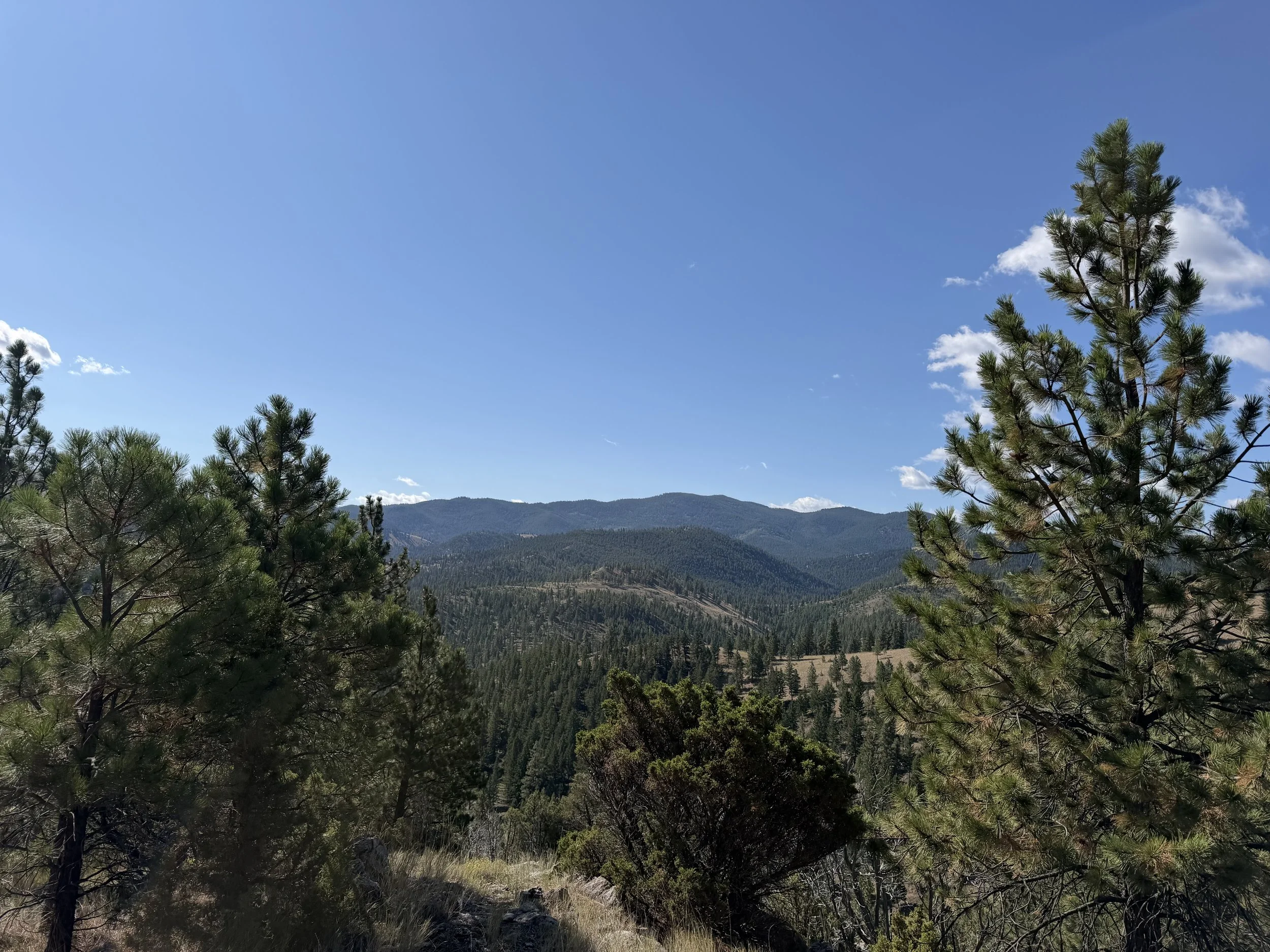
Notice the strategically taken photo! ~ Sarah Elkins, photographer, image of Robert Downs with dog in forefront, Helena, Montana
But because it was a dear friend, Tom Dietzler, who gave me this gift, I decided to look at my results in a different way. I sent the description of Strategic as it was written in my report to my sister and husband, the two people I believe know me sometimes better than I know myself, and did NOT include the word Strategic in the message. I asked: “What do you think of this? Do you think it describes me?” I didn’t want to influence their answers, so I did my best to ask without a hint of how ridiculous I thought it was.
My sister responded almost immediately: “wow, Sarah, they sure have your number. That’s exactly you.”
I called her to ask for specific examples, stories of times when she thought that description showed up in our interactions. She had LOTS of examples. So did my husband.
That’s when I invested in a StrengthsFinder coach. I had to find out more about this talent that I couldn’t see in myself.

Speedy Gonzalez, the little Robin Hood of Cheese
She called me Speedy Gonzalez. My first coach after becoming a Gallup certified StrengthsFinder coach had a gorgeous Barcelonan accent, and she said: “Sarah, you’re like Speedy Gonzalez. Imagine you notice the village is running low on cheese, so you take money from the village coffer, run fast, as you do, to a nearby village, buy cheese, and run back. Problem solved! Except that when you return, you hear the villagers having a discussion about what kind of cheese to get this time… or maybe they won’t get cheese, maybe it’ll be salami instead… But you’ve already solved the problem, right?”
I’m such a visual person, I immediately imagined the tiny mouse running, like a blur, to the next village and running back carrying a huge block of cheese over his head.
And just like that (snap), I had a deep insight into how I sometimes get in my own way.
My strategic brain immediately comes up with a solution to a puzzle or problem. Many times it comes so fast that I’m not even sure I thought about it, the solution simply popped into my head. And because my Strategic is immediately followed by Activator, I just GO. I take the first step and know I’ll deal with obstacles or consequences as I meet them… or hit them face first.
Most of the time this way of thinking is awesome. It guides me to the fastest, simplest solutions to complex problems. I make decisions quickly, and the majority of the time, they have been excellent decisions. When I worked as a Peoplesoft consultant with Federal agencies in the DC area, those skills are what made me successful in identifying solutions for the help desk, creating easy to understand training materials, and finding solutions to implementation issues around data collection.
But for most of my life I considered myself impulsive because I didn’t realize my brain was actually coming to the solution before I could fully process what that meant. The map is in my head and I’m taking the first step. And I don’t always take stakeholders on the ride with me, causing communication issues and the appearance that I’m impulsive.
Here’s an example:

Fresh basil won’t keep in the car, either! (Image, fresh basil being made into pesto)
When I get into the car to run more than one errand, before I even plug my seatbelt in I have the route in my head. Not because I’m a planner, or because I think about it with intention, but because that’s how my brain works. The route is specific, many things taken into account, like not wanting to turn left across traffic on a busy street, not wanting to backtrack but wanting an efficient route, and knowing the grocery store has to be the last stop because it’s 80 degrees outside and I’ll have frozen peas in the car.
It wasn’t until a few months after my first conversation with a coach that I came to this realization. And years later I continue to see where my Strategic shows up in my daily activities. What’s especially interesting to me is that many people struggle in seeing that first, number 1 talent as a talent, or even as something that truly describes them.

Podcast cover art with image and quote from Sarah Elkins
Here’s why: Those top two strengths are so natural, so innate, that we cannot even see how they’re unique or special. I can tell when I’ve identified a true talent when I ask my client to tell me about the most common compliment they receive and they tell me, and then qualify it by saying something like: “But everyone does that.” Or “Doesn’t everyone do that?” They dismiss the compliment because the skill or talent comes too easily for them. They cannot own this natural talent because it wasn’t a struggle to get good at it… isn’t that kind of silly when you think about it?
Here’s another way I know I’ve uncovered something special in a client: When I ask them about how they feel when other people don’t think in the natural way they do, like when my husband drives us on errands and I have to bite my tongue because he doesn’t seem to have a route in his head, it feels like each turn he takes is an assault on my brain. I get annoyed, I’ll admit it, and I used to think: “How is this possible? He’s the smartest guy I know! Why would he turn left here, doesn’t he know that now he’ll have to go left across traffic on the busiest street in town?”
I worked with a coach to better understand my talents and how to apply them with intention, it also helped me know which talent to employ at different times. When I get annoyed because someone isn’t doing something the way I would do it, I use my Ideation (my #3 talent that magically comes up with ideas all. The. Time.), to focus my brain on curiosity about the situation. I begin to ask myself questions like: why am I getting prickly & annoyed, what’s triggering this? Does it matter right now if he takes a different route, am I in a hurry? And when I’ve answered those questions, I may ask my husband what his plan his for our errands, what he’s thinking about for our shopping list.
I do this at work, with my children, and even when I’m driving behind someone who seems to be lost.
My drivers are Strategic / Activator, neither of which are in the relationship building domain of the four StrengthsFinder domains. That alone is a clue about where my motivation is, which is mostly task-based, not people-based. And now that I know that, my communication has shifted, I’m using those talents with far more intention, and my relationships and leadership has improved dramatically.
The only way we grow as humans, the only way we can truly find satisfaction in our relationships, is to be self-reflective. This is not the same as being hyper critical of ourselves!
Being self-reflective means understanding our role in every situation, in every relationship. What am I doing to move this conversation in a positive direction? What was my role in the conflict with my coworker? What natural talents am I using in ways that are positive, and where am I getting in my own way?
If you enjoyed this podcast brief, stay tuned for next week’s episode, when we’ll explore Ideation & Adaptability, rounding out my top 5 talents.
ABOUT SARAH:
elkins consulting logo plus image of sarah elkins"Uncovering the right stories for the right audiences so executives, leaders, public speakers, and job seekers can clearly and actively demonstrate their character, values, and vision."
In my work with coaching clients, I guide people to improve their communication using storytelling as the foundation of our work together. What I’ve realized over years of coaching and podcasting is that the majority of people don’t realize the impact of the stories they share - on their internal messages, and on the people they’re sharing them with.
My work with leaders and people who aspire to be leaders follows a similar path to the interviews on my podcast, uncovering pivotal moments in their lives and learning how to share them to connect more authentically with others, to make their presentations and speaking more engaging, to reveal patterns that have kept them stuck or moved them forward, and to improve their relationships at work and at home.
The audiobook, Your Stories Don’t Define You, How You Tell Them Will is now available!
Included with your purchase are two bonus tracks, songs recorded by Sarah's band, Spare Change, in her living room in Montana.
Episode 187: Podcast Brief 1 - When Command is in Your Top StrengthsFinder Talents
My mother and her twin sister said: “Sarah, you’re so bossy.” Our large family had a reservation at a restaurant and I was being insistent that people stop yammering and get into cars, directing people and touching them on the arm to gesture toward a vehicle.
I was insulted and defensive. It was my intention to get the family to the restaurant on time for our reservation out of respect to the venue, which seemed reasonable to me. I felt like I had been gentle in terms of nudging my aunts, uncles, and cousins to get moving. That’s not how my mom and aunt saw it.
That wasn’t the first time I was called bossy or pushy, and it wouldn’t be the last.
My Command Hasn't Always Been Appreciated
This week’s episode of Your Stories Don’t Define You is part of a new series I’m exploring:

Podcast cover art with quote and image of Sarah Elkins
For the next few weeks, I’ll be sharing brief stories about my experiences in understanding my natural strengths and using them with intention. As a Gallup certified StrengthsFinder coach, I’ve taken opportunities to work with other coaches for two reasons, one is that I believe in this stuff, the idea that when we understand our own way of thinking, our natural, instinctive talents, and when we understand where we might be getting in our own way, we find more satisfaction in our lives.
Another reason is that to be a coach and to have a coach demonstrates my belief that this works, that working with a good coach adds value. I know that the more I know about my own talents and blind spots, the more effective I can be for my clients.
Today we’ll start with a talent that Gallup calls Command. If you’re more familiar with DiSC profiles, you might find similarities in people strong in the “d” style, with “i” as a close second.
You’ll hear how my command shows up, for better and for worse, and some of the ways I’ve found to present it differently so it’s intentional and positive, rather than subconscious and negative.
---
My mother and her twin sister said: “Sarah, you’re so bossy.” Our large family had a reservation at a restaurant and I was being insistent that people stop yammering and get into cars, directing people and touching them on the arm to gesture toward a vehicle.
I was insulted and defensive. It was my intention to get the family to the restaurant on time for our reservation out of respect to the venue, which seemed reasonable to me. I felt like I had been pretty gentle in terms of nudging my aunts, uncles, and cousins to get moving. That’s not how my mom and aunt saw it.
That wasn’t the first time I was called bossy or pushy, and it wouldn’t be the last. One of my bosses once said: “sometimes you’re pushy” in an annual evaluation, in the context of my efforts to move a project forward.
Years after the incident with my extended family and the restaurant reservation, my mother’s husband died and I flew from Montana to California to support her. When I walked into the house, she collapsed into my arms: “Thank goodness you’re here, now I know everything will be okay.”
I held her for a long moment, her huge dog, Pogo, leaning against my leg, my younger sister and my mom’s twin sister standing from the couch to welcome me.
And then I said: “Mom, have you eaten?”
She told me she wasn’t hungry, so I said: “I know, mom. Just sit at the table for a few minutes. If you don’t eat, that’s fine, I’ll eat it or we’ll give it to the dog.” I made a couple of fried eggs and toast, exactly the way I know she likes it, with a sliced peach on the plate. She ate all of it. I knew she would unconsciously start to eat what was in front of her – it was simple, familiar, comfort food. She was surprised when I took the empty plate from in front of her, her eyes welling with tears. I knew she didn’t actually taste the food, and I knew her body and brain desperately needed the fuel.

Podcast cover art with quote and image of Sarah Elkins
And then I started to arrange food for the many guests coming by, cleaned up the kitchen, and made sure things were in order as we navigated the next few days of solemn activities.
That’s my role. When things are in flux and people are floundering I can’t help myself. I step in and make order, delegating and doing what needs to be done. It’s not that I want to take a leadership role, most of the time I don’t, actually. My natural instinct is to take that role when I perceive a situation as out of sorts or chaotic. But that’s an important distinction – perceive.
The most practical thing I got out of my training, and continue to get out of working with a coach myself, is that I now understand, embrace, and present my Command far more effectively. I still get called bossy once in a while, but it doesn’t bother me, especially when I know my bossiness ultimately had positive impact on the people around me.
I know when my instinct to lead is driving my behavior, and these days I’m able to take a step back to assess the situation first. I ask questions, I observe, and I decide whether my initial perception of a lack of leadership or direction was accurate. And then I ask the person I believe to have authority if I may facilitate to help guide things forward.
That’s my command. If you’re wondering if I’ve always had this in my top talents, I promise you my mother would say yes. Does any of this sound familiar to you?
The only way we grow as humans, the only way we can truly find satisfaction in our relationships, is to be self-reflective. This is not the same as being hyper critical of ourselves!
Being self-reflective means understanding our role in every situation, in every relationship. What am I doing to move this conversation in a positive direction? What was my role in the conflict with my coworker? What natural talents am I using in ways that are positive, and where am I getting in my own way?
If you enjoyed this podcast brief, stay tuned for next week’s episode, when we’ll explore the Activator talent!
Ready for a deep dive into your natural talents? Click here to schedule a 90 minute session with Sarah, and find out why this tool can be so easily applied, practical, and effective in improving relationships.
ABOUT SARAH:

Elkins Consulting logo plus image of Sarah Elkins and her dog, with Gallup Strengths Coach logo
"Uncovering the right stories for the right audiences so executives, leaders, public speakers, and job seekers can clearly and actively demonstrate their character, values, and vision."
In my work with coaching clients, I guide people to improve their communication using storytelling as the foundation of our work together. What I’ve realized over years of coaching and podcasting is that the majority of people don’t realize the impact of the stories they share - on their internal messages, and on the people they’re sharing them with.
My work with leaders and people who aspire to be leaders follows a similar path to the interviews on my podcast, uncovering pivotal moments in their lives and learning how to share them to connect more authentically with others, to make their presentations and speaking more engaging, to reveal patterns that have kept them stuck or moved them forward, and to improve their relationships at work and at home.
The audiobook, Your Stories Don’t Define You, How You Tell Them Will is now available!
Included with your purchase are two bonus tracks, songs recorded by Sarah's band, Spare Change, in her living room in Montana.
Episode 186: True Stories Can Bring Your Work of Fiction to Life
Our conversation easily flowed from topic to topic, and it was clear to both of us that the themes from the book are highly relevant in many of our friends' lives, as well as our own.
Each of the protagonists is in a very different place in their lives, one in her early 30s, another in her mid 40s, and another in her late 60s. And yet, each is grappling with transition and transformation in their lives, which is what brings them together.
A Novel About Transformation and Resilience Includes Aspects of Truth
Suzanne Simonetti sees parts of herself in each of her characters, but she relates most closely with Krystal in her award-winning novel The Sounds of Wings.
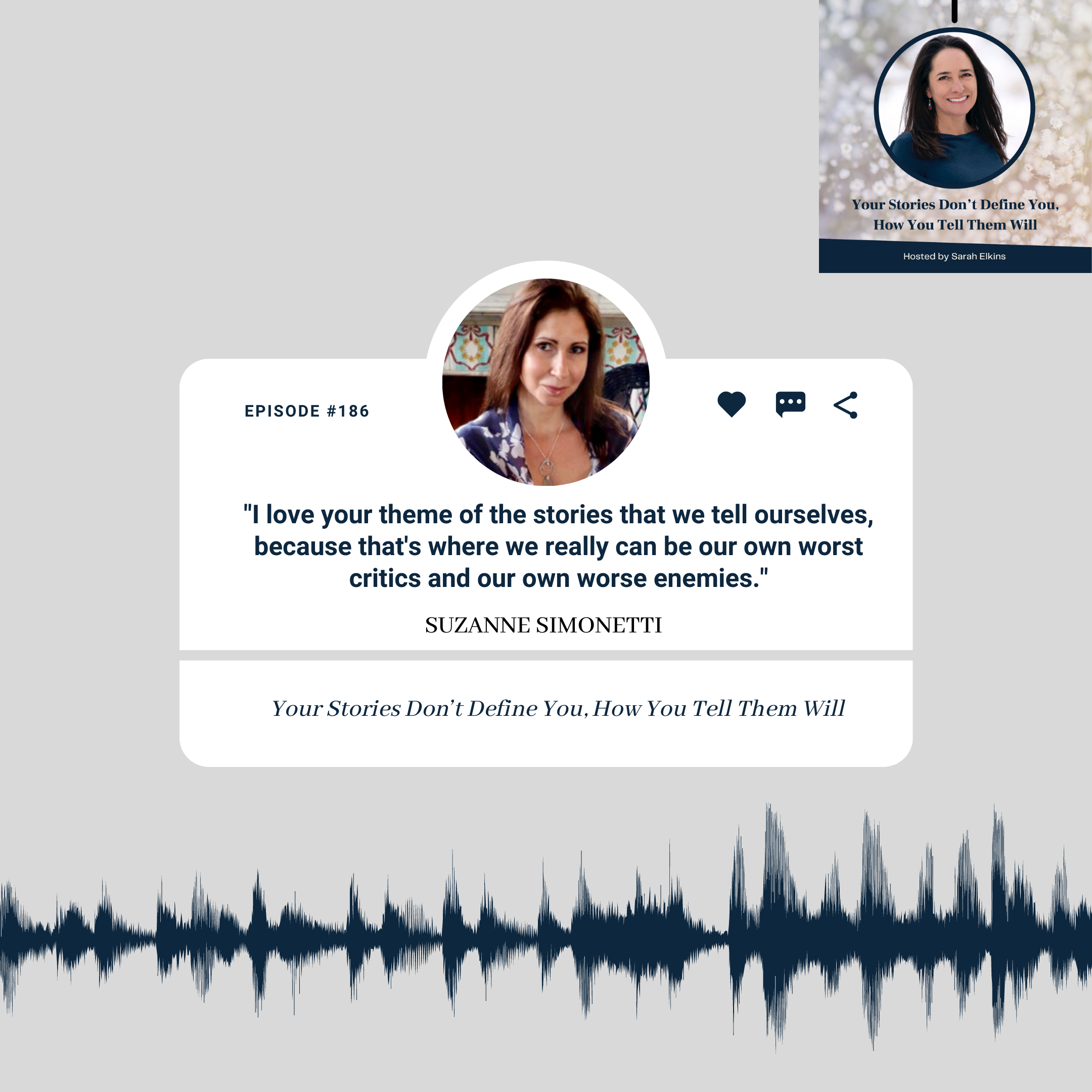
Suzanne Simonetti podcast episode cover art with image and quote
Our conversation easily flowed from topic to topic, and it was clear to both of us that the themes from the book are highly relevant in many of our friends' lives, as well as our own.
Each of the protagonists is in a very different place in their lives, one in her early 30s, another in her mid 40s, and another in her late 60s. And yet, each is grappling with transition and transformation in their lives, which is what brings them together.
Highlights for me:
A major theme of the book is silencing our own ghosts from our past. We must be able to tell the stories of our paths without reliving them, to be able to see those stories as lessons to take forward.

Suzanne Simonetti podcast episode cover art book cover and quote
A theme that resonated strongly with me is the way women grow into relationships with themselves and with (and among) other women. In the book, the three main protagonists forge unlikely friendships, despite their distinct differences. I loved seeing the personal growth each experienced as they learned to trust the other women who happened to show up in their lives.
We spoke of Suzanne's mentor, award-winning, NYT Best Selling Author Caroline Leavitt, as well as our mutual friend, Meg Nocero, also an award-winning author, both outstanding women you will be glad you discovered through this podcast.
Make sure you follow Suzanne on Instagram, and check out her website to learn more.
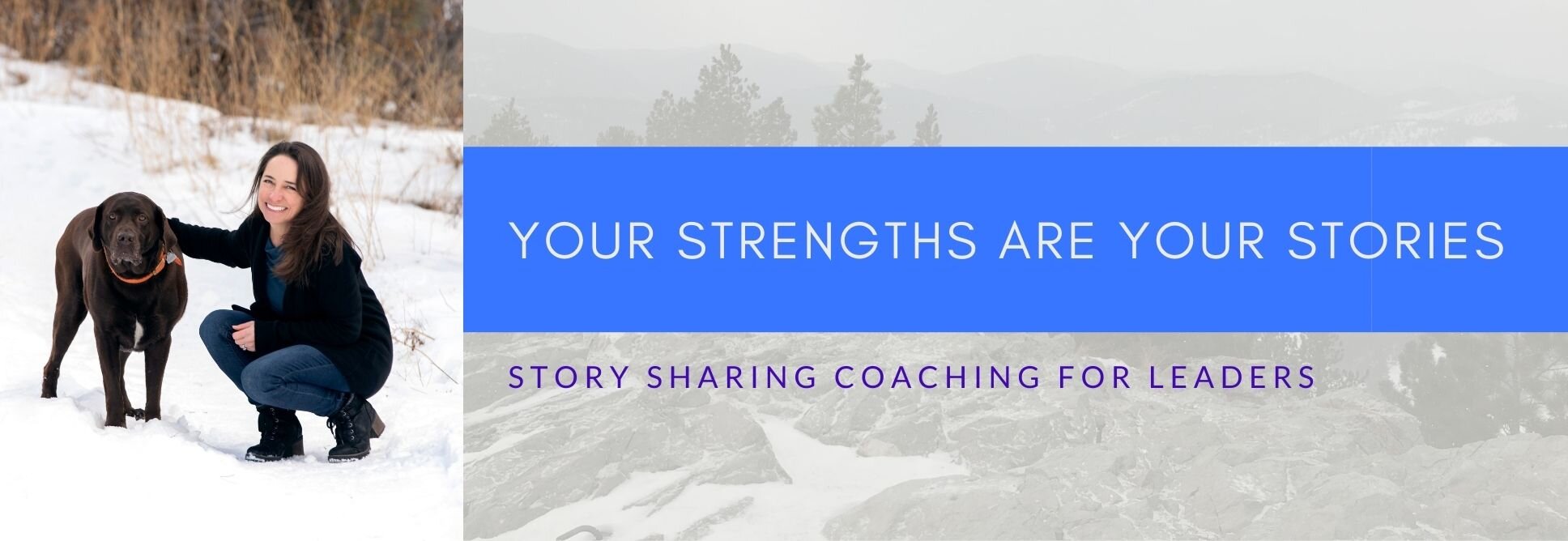
Elkins Consulting cover art image of Sarah Elkins and her dog on a wintery, snow covered mountain
ABOUT SARAH:
"Uncovering the right stories for the right audiences so executives, leaders, public speakers, and job seekers can clearly and actively demonstrate their character, values, and vision."
In my work with coaching clients, I guide people to improve their communication using storytelling as the foundation of our work together. What I’ve realized over years of coaching and podcasting is that the majority of people don’t realize the impact of the stories they share - on their internal messages, and on the people they’re sharing them with.
My work with leaders and people who aspire to be leaders follows a similar path to the interviews on my podcast, uncovering pivotal moments in their lives and learning how to share them to connect more authentically with others, to make their presentations and speaking more engaging, to reveal patterns that have kept them stuck or moved them forward, and to improve their relationships at work and at home.
The audiobook, Your Stories Don’t Define You, How You Tell Them Will is now available!
Included with your purchase are two bonus tracks, songs recorded by Sarah's band, Spare Change, in her living room in Montana.
Episode 185: What Happens When You're the Child of Survivors of Significant Trauma?
Jeff Furman is an extraordinary combination of his parents. He has the gift of intense observation of people and surroundings, while also demonstrating significant empathy. The two together allow him to predict student behavior in the classroom, making him a highly effective educator.
Growing Up with Survivors of the Holocaust
Jeff Furman is an extraordinary combination of his parents. He has the gift of intense observation of people and surroundings, while also demonstrating significant empathy. The two together allow him to predict student behavior in the classroom, making him a highly effective educator.

Jeff Furman podcast episode cover image
He shared a story of clarity: Watching his girlfriend (many years ago) standing in the shallows of the ocean, hesitating to dive into the large waves, he had an insight as he observed her stepping forward and then stepping back. He asked "are you the child of Holocaust survivors?" She was.
How did he know that? Because his parents were fiercely protective of him, his mother was especially fearful of potential physical harm, and he recognized the effects of that kind of upbringing in his girlfriend.
This conversation was especially fascinating to me because of how his parents differed in the way their protectiveness was demonstrated in their words and actions. I was also highly curious about how Jeff sees the current impact of growing up like that on his life now, as a near-retirement aged professional.
We discussed current research around generational PTSD, and I mentioned an episode of this podcast featuring Rajkumari Neogy where we referred to the studies around intergenerational trauma and epigenetics.

If you're a regular listener of this show, you'll be especially pleased to hear Jeff's answer to my standard request: Tell us something about yourself that most people probably don't know. Hint: It's another musical reference!
Our conversation included a lot of references to the music that lights Jeff up, history related to WWII, and a few locations in and around New York City. Here are some links to satisfy your curiosity:
A few notes from Jeff:
This is a 7-minute mini-documentary with Suzanne Vega that I’m sure you’ll like. She’s filmed in a cab in Manhattan on her way to the Fast Folk pasta dinner, where she is talking about how she is a little afraid of performing a new song in front of Jack Hardy and his peers, who will give constructive criticism. I met Jack Hardy also when he played at our college, and when I moved to Greenwich Village in the 80s, I got to spend some time with him. A lot of the singer-songwriters I interviewed were part of his circle. He was a very talented songwriter and very good singer and performer, but he became more known especially for helping providing the venue (Fast Folk) that others spring-boarded from, especially Suzanne Vega, Lucy Kaplansky, The Roches, and Shawn Colvin. I loved all these talented people and it was a very rich experience for me meeting and interviewing them for the Bergen Record (leading New Jersey newspaper) and Performing Songwriter Magazine. Publishing these articles helped me get my first book contract.
Here is Tom Russell performing the song he wrote: “MANZANAR” about the Japanese internment camp, from the perspective of a Japanese American who was imprisoned there after the attack on Pearl Harbor. I selected this song from Tom’s albums for the interview I did with him for Performing Songwriter Magazine.
And my favorite of all the folk groups part of the Fast Folk scene was The Roches (3 sisters: Terre, Suzzy, and Maggie Roche). I think this is one of their best songs/videos: “Mr. Sellack.” It captures their writing, singing, humor and charm really well.
https://www.youtube.com/watch?v=mQMwU3TrVE0
Connect with Jeff on LinkedIn, visit his website, and check out his series of project management books here.
ABOUT SARAH:

Podcast cover image with image and quote from Sarah Elkins
"Uncovering the right stories for the right audiences so executives, leaders, public speakers, and job seekers can clearly and actively demonstrate their character, values, and vision."
In my work with coaching clients, I guide people to improve their communication using storytelling as the foundation of our work together. What I’ve realized over years of coaching and podcasting is that the majority of people don’t realize the impact of the stories they share - on their internal messages, and on the people they’re sharing them with.
My work with leaders and people who aspire to be leaders follows a similar path to the interviews on my podcast, uncovering pivotal moments in their lives and learning how to share them to connect more authentically with others, to make their presentations and speaking more engaging, to reveal patterns that have kept them stuck or moved them forward, and to improve their relationships at work and at home.

Audiobook promotional image
The audiobook, Your Stories Don’t Define You, How You Tell Them Will is now available!
Included with your purchase are two bonus tracks, songs recorded by Sarah's band, Spare Change, in her living room in Montana.
Episode 184: If 90% of People Never Felt Like They "Fit In", Where Does That Leave the Other 10%?
Rachel Druckenmiller Discovered Her Adventurous Spirit by Not Fitting In
"I'm allergic to that."

Podcast cover art with quote
When she arrived in Spain, a shy, incredibly picky eater and study abroad student, that's what Rachel would tell people to avoid having to try new foods. It didn't take long for her to choose to be polite and try the foods, and that simple act of kindness and curiosity became the key to unlocking her adventurous spirit and become, as she says, unmuted.
Rachel's Spanish teacher had suggested that she apply to study abroad saying: "You really have an affinity for this, have you considered studying abroad?" Her immediate response was no, she wasn't interested in leaving her small liberal arts college for a semester. But the adults in her life encouraged her, saying that she would regret not going, and sharing their own regrets for turning down a similar opportunity.
She remembered arriving at the airport in Madrid, which appeared to be in total chaos, especially for a sheltered young woman.
It was her study abroad experience that awakened Rachel to her sense of adventure, which only increased with more experiences outside of her comfort zone, and isn't that always our path toward personal growth?

Podcast cover art with quote and image of Rachel Druckenmiller
A highlight of our conversation was when we talked about our human tendency to underestimate people and things that we make a snap judgment about. We began our conversation on that topic when she told the story of her experience with an eggplant dish presented to her by her host family in Spain. It's not a stretch to apply that lesson to people we meet.
Both of us had stories about our spouses related to this idea:
"If I had never opened the door to the possibility that he could be different than my first impressions of him on the surface, would I have even allowed for that possibility to happen?"
"When we're willing to stay curious and open, things we're not even aware of are possible on the other side of that."
In our conversation I mentioned my friend Shelley Brown's recently published book, Weird Girl Adventures, in the context of allowing our sense of what's weird about us to be a larger part of our best relationships.
When you've listened to the episode, I'm sure you'll want to connect with Rachel on LinkedIn, and be sure to dig into her website to learn more about what she does, and how magically she does it. And check out the song Rachel sang a line from at the end of our call, This is Me from The Greatest Showman.
If you're also curious about the lyrics I shared, here's Mary Mary with Can't Give Up Now.
ABOUT SARAH:

Elkins Consulting logo, image of Sarah Elkins, book cover
"Uncovering the right stories for the right audiences so executives, leaders, public speakers, and job seekers can clearly and actively demonstrate their character, values, and vision."
In my work with coaching clients, I guide people to improve their communication using storytelling as the foundation of our work together. What I’ve realized over years of coaching and podcasting is that the majority of people don’t realize the impact of the stories they share - on their internal messages, and on the people they’re sharing them with.

Audiobook cover art
My work with leaders and people who aspire to be leaders follows a similar path to the interviews on my podcast, uncovering pivotal moments in their lives and learning how to share them to connect more authentically with others, to make their presentations and speaking more engaging, to reveal patterns that have kept them stuck or moved them forward, and to improve their relationships at work and at home.
The audiobook, Your Stories Don’t Define You, How You Tell Them Will is now available!
Included with your purchase are two bonus tracks, songs recorded by Sarah's band, Spare Change, in her living room in Montana.
Episode 183: Some Stories Are Meant to Be Told... Differently
Her life didn't start with unicorns and butterflies, and like many people who grow up without, she didn't really know it until school years when the comparison game began... seeing other girls with new, trendy clothes and all the accessories made her keenly aware of what she didn't have.
It's Not the Same Old Story with Lisa Caprelli
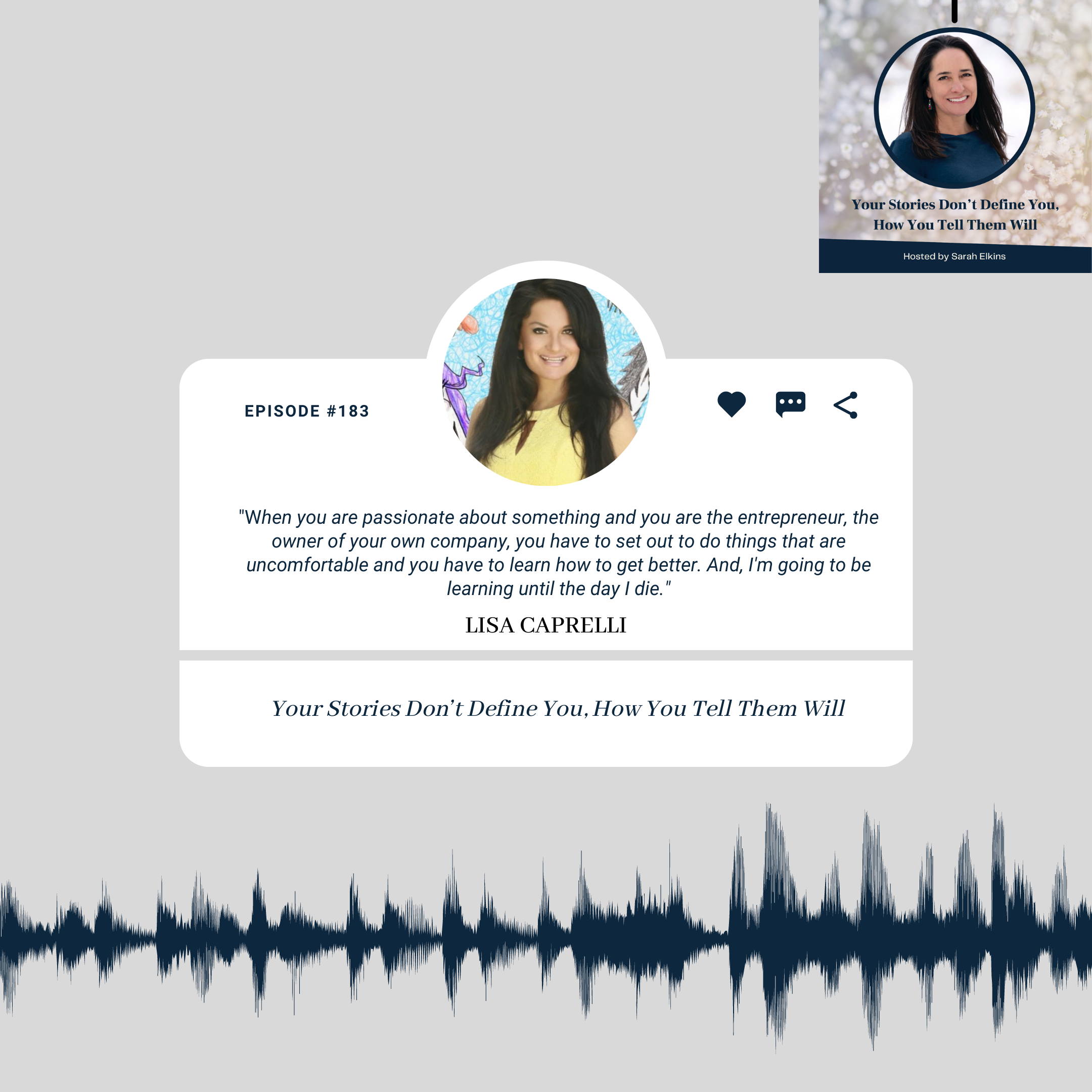
183 podcast cover art Lisa Caprelli image and quote
Her life didn't start with unicorns and butterflies, and like many people who grow up without, she didn't really know it until her high school years when the comparison games began. Seeing other girls with new, trendy clothes and all the accessories made her keenly aware of what she didn't have.
She knew there was more for her, and when a mentor saw her for the curious, ambitious, intelligent young woman she was, Lisa's natural talents were nurtured and expanded.
When she decided it was time to leave Texas and make her way to the beaches of southern California, people told her she was crazy, that she'd fail, and that she'd waste precious money and time trying to be something she wasn't. She didn't listen, thank goodness, because over the past 10 years, she has made significant, high impact, positive contributions to our communities, like her multiple best selling children's books, an Amazon TV series, and a successful marketing business.
Lisa did what others saw as impossible.

183 podcast cover art Lisa Caprelli quote
What makes Lisa so good at what she does? What motivated her to find her path? Listen to this episode of Your Stories Don't Define You to find out!
Visit Lisa's website to learn more about her work, and check out her children's book series, Unicorn Jazz. Be sure to follow her on LinkedIn, Facebook, Twitter, and Instagram to keep up with the great content she shares.
ABOUT SARAH:

Image of Sarah Elkins with promo language: ”story sharing coaching for leaders”
"Uncovering the right stories for the right audiences so executives, leaders, public speakers, and job seekers can clearly and actively demonstrate their character, values, and vision."
In my work with coaching clients, I guide people to improve their communication using storytelling as the foundation of our work together. What I’ve realized over years of coaching and podcasting is that the majority of people don’t realize the impact of the stories they share - on their internal messages, and on the people they’re sharing them with.

Audiobook promotional cover art
My work with leaders and people who aspire to be leaders follows a similar path to the interviews on my podcast, uncovering pivotal moments in their lives and learning how to share them to connect more authentically with others, to make their presentations and speaking more engaging, to reveal patterns that have kept them stuck or moved them forward, and to improve their relationships at work and at home.
The audiobook, Your Stories Don’t Define You, How You Tell Them Will is now available!
Included with your purchase are two bonus tracks, songs recorded by Sarah's band, Spare Change, in her living room in Montana.
Episode 182: Do You Have a Personal Story Portfolio?
"I just don't think that way - in a linear timeline of events. I read your book, but I couldn't start collecting my stories, even when I tried to use the exercises and worksheets you provided."
Mary was getting ready for a series of interviews, and she knew preparing a few personal stories would be critical to truly engaging her interviewers and their audiences.
How to Collect Your Stories For Every Audience

Episode 182 podcast cover art with quote & image of Sarah Elkins
"I just don't think that way - in a linear timeline of events. I read your book, but I couldn't start collecting my stories, even when I tried to use the exercises and worksheets you provided."
Mary was getting ready for a series of interviews, and she knew preparing a few personal stories would be critical to truly engaging her interviewers and their audiences.

Page 133 of the book, Your Stories Don’t Define You
When I started as a communication coach, my intention was to guide people toward useful self-reflection. That's the only way to be a good communicator, you have to know yourself, understand your role in miscommunication, and be aware of how you're being perceived by the people around you.
It's not about being a chameleon, changing who you are based on the person you're speaking with, it's about being intentional about what you want as the result of any interaction, and making adjustments in how you present information so you're more likely to be understood - and to understand.
I use storytelling as the foundation of my work because the stories people tell - and how they tell them - say a lot about who they are, how they think, and where they're getting in their own way.
After two sessions, Mary was getting frustrated at her inability to recall key parts of her life with any detail. She struggled with the structure I created in the book and felt like it was her failure in memory that was causing the problem.
At the beginning of our third session, I had a moment of clarity.
"Tell me about someone who was in your life briefly, and had a profound impact on you."
She immediately recalled a professor she struggled with during her master's degree program.
"What did he look like? Can you see him now, can you imagine he's in front of you?"
"Where would you have had a conversation with him? Put yourself there."
"When you think of a time you sat in that place with him, what is the conversation you're having?"
Suddenly a world opened up in front of us. My client had a vivid memory of a pivotal conversation she had with the professor. She recalled where they were standing, what had happened in the hours before, and exactly what happened in the days following.
It was a powerful memory and an incredible story.

Book cover image, Your Stories Don’t Define You, How You Tell Them Will
The book Your Stories Don't Define You, How You Tell Them Will includes worksheets and exercises to guide readers to begin collecting stories in a story portfolio. The intention is to have a variety of stories ready to use at an appropriate time, with an appropriate audience.
The worksheets begin by asking about particular eras in the reader's life, a broad description like: "First year out of high school", "the year my father died", "my engagement and first year of marriage."
As the reader continues through the book, they're asked to recall certain pivotal moments within those eras, like a particular adventure or situation they experienced right after they graduated from high school, maybe a car accident or moving into the dormitory for their freshman year of college. The worksheets guide the reader to dig into those memories to uncover details about where they were, who was with them, and what made the moment scary, enlightening, exciting, awesome...
Working with Mary made me realize there are many other ways to collect these stories, and that some people don't think in such a linear way to be able to pick out eras as being pivotal parts of their lives.
At the end of our third session, I asked Mary to do some homework prior to our next appointment.
"Write down the names of two other people who had major influence on your life. Not your parents or direct family members - yet. Think about both positive and negative experiences, I know I have some unhappy, challenging memories of particular people who had influence on who I am today, for better or for worse."
She came back to our next session eager to begin, and we uncovered three more great stories for her portfolio.
Mary was ready for more homework.
"This week, jot down a few locations, places you visited or lived, that you know now were meaningful to you. Think about your first apartment, or maybe a house you lived in for a short time, but where important things happened when you lived there."
Our sessions from that point forward were full of energy, memories, and incredible discussions about her experiences with particular people and in particular locations.
By our sixth session together, she had a portfolio full of great story ideas, and she was ready to start fleshing them out into stories to practice telling in person, to prepare for the interviews she had scheduled, and to write as blog posts to share.
But we weren't done yet.
Now that she had great story ideas, it was time to categorize them so she'd have a better idea of when to share them!
We worked through her StrengthFinder results and discussed what was important to her in terms of how she was perceived, especially for the upcoming interviews.
Mary said: "I want to be known as reliable, knowledgable and competent in my field, and as someone with a sense of humor."
Slowly and carefully, we reviewed the many stories in her collection and categorized them:
These demonstrate my reliability.
These demonstrate my sense of humor.
This story demonstrates my knowledge in my field.
There were some that crossed multiple categories, of course.
Having this structure gave her confidence, particularly as we uncovered specific work-related stories that, instead of saying "I'm reliable!", she could share one that demonstrated her reliability. It no longer felt like bragging, it felt like a story, complete with an obstacle, other characters, a specific project, a location, and a successful conclusion.
As any author will tell you, I never really thought Your Stories Don't Define You was complete. If I hadn't made certain promises, it might never have been published. I always found changes I wanted to make and additions that would make it better.
But I remember reading the story portfolio instructions and reviewing the worksheets and thinking they were good, they were ready for readers to use.
They're still good, and many readers have found them to be a great start for their own story portfolios, but I suppose if I had it to do again, I might consider a few other options beyond starting with general eras in a lifetime.
If you're collecting stories for your story portfolio, remember that there isn't just one way to do anything. Use the tools that work for you. The important part is that you realize how your stories can influence your internal messages and the perceptions of others, and that you're beginning to collect them.
And when you have one of your own "ah ha!" moments with one of these vivid memories, I hope you'll reach out and let me know.
---
ABOUT SARAH:

Elkins Consulting logo plus image of Sarah Elkins with dog and Gallup StrengthsFinder Coach logo
"Uncovering the right stories for the right audiences so executives, leaders, public speakers, and job seekers can clearly and actively demonstrate their character, values, and vision."
In my work with coaching clients, I guide people to improve their communication using storytelling as the foundation of our work together. What I’ve realized over years of coaching and podcasting is that the majority of people don’t realize the impact of the stories they share - on their internal messages, and on the people they’re sharing them with.

Audiobook cover promo art
My work with leaders and people who aspire to be leaders follows a similar path to the interviews on my podcast, uncovering pivotal moments in their lives and learning how to share them to connect more authentically with others, to make their presentations and speaking more engaging, to reveal patterns that have kept them stuck or moved them forward, and to improve their relationships at work and at home.
The audiobook, Your Stories Don’t Define You, How You Tell Them Will is now available!
Included with your purchase are two bonus tracks, songs recorded by Sarah's band, Spare Change, in her living room in Montana.