Your Stories Don’t Define You
How You Tell Them Will
A podcast to unlock your stories and uncover meaningful insights.
435 Pivot Point: A Moment of Doubt - a monologue from Sarah Elkins
In today’s episode I’m sharing a story about a pivotal moment in my business, a situation that had me questioning everything about the direction I had taken, the investments I made in time, energy, and money, and what transpired to get me through that experience to land on the other side with confirmation and a bit more confidence.
435 Pivot Point: A Moment of Doubt - a monologue from Sarah Elkins
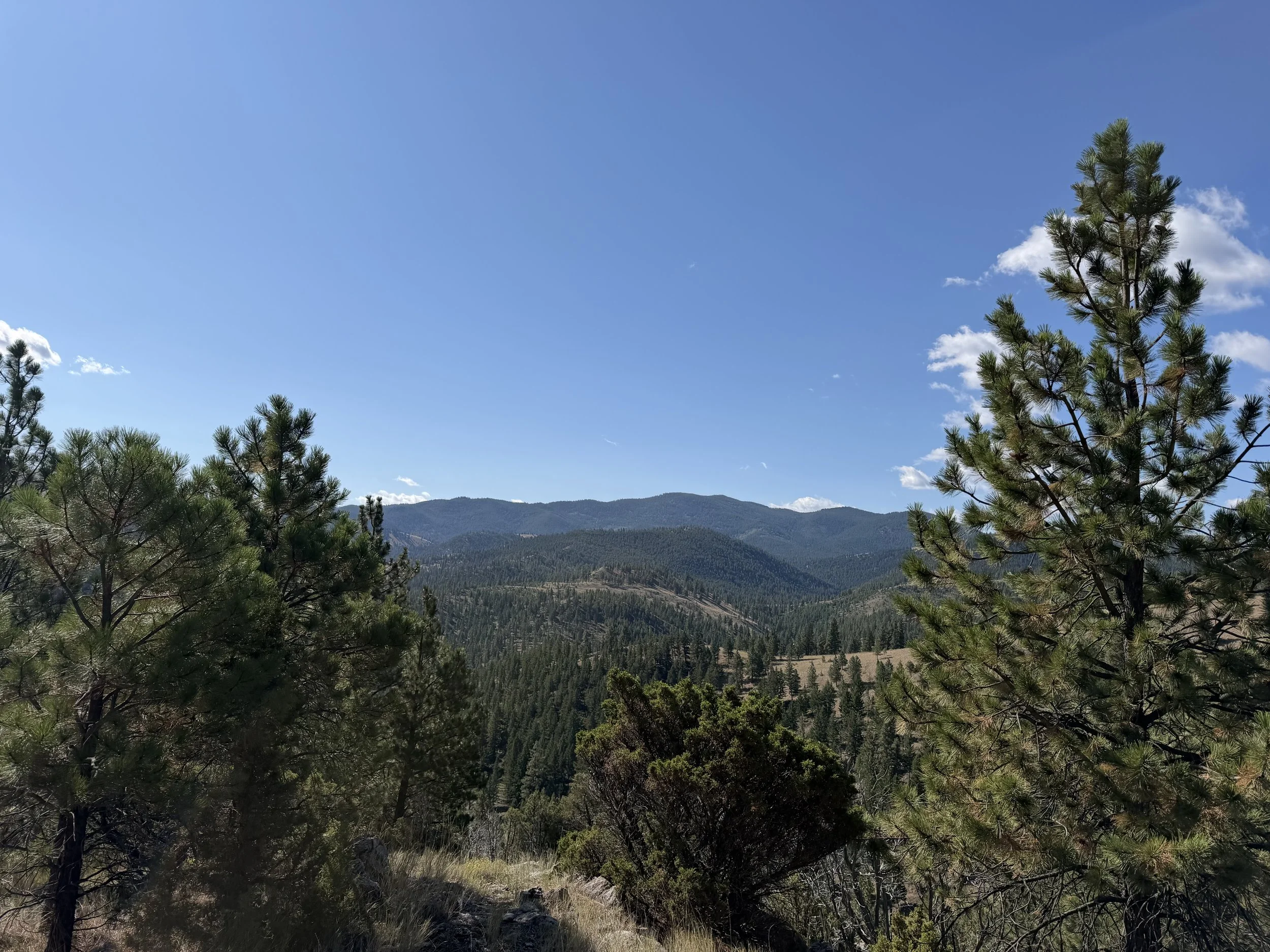
In a moment of inspiration on one of my hikes, I realized that after more than 430 episodes, this show is overdue for a format change.
For the book I’m writing, a companion to my recently published TEDx talk, I’m exploring research around narrative identity, which is the way the stories we share influence who we are, and self-awareness as defined by present-day psychologists.
The new format for my show aligns with what I’m learning, and my hope is that future episodes will offer additional insights for the book, my guests, and our listeners.
In today’s episode I’m sharing a story about a pivotal moment in my business, a situation that had me questioning everything about the direction I had taken, the investments I made in time, energy, and money, and what transpired to get me through that experience to land on the other side with confirmation and a bit more confidence.
“It was like being immersed in a foreign language, bringing me to a level of understanding and insight with this tool that I’m not sure I could have achieved so quickly in any other circumstance. It was amazing and exhausting.”
Listeners, now it’s your turn:
Did my story remind you of something that happened to you?
What memory popped into your head when you heard it?
What did you learn about me as a person?
Did you learn what I do without hearing it directly?
I can say “I’m a gallup-certified StrengthsFinder coach”, but that’s not meaningful and doesn’t give you useful information about what that might mean for you or for a friend you might refer to me, right?
What’s a pivotal story in your career?
About Sarah:
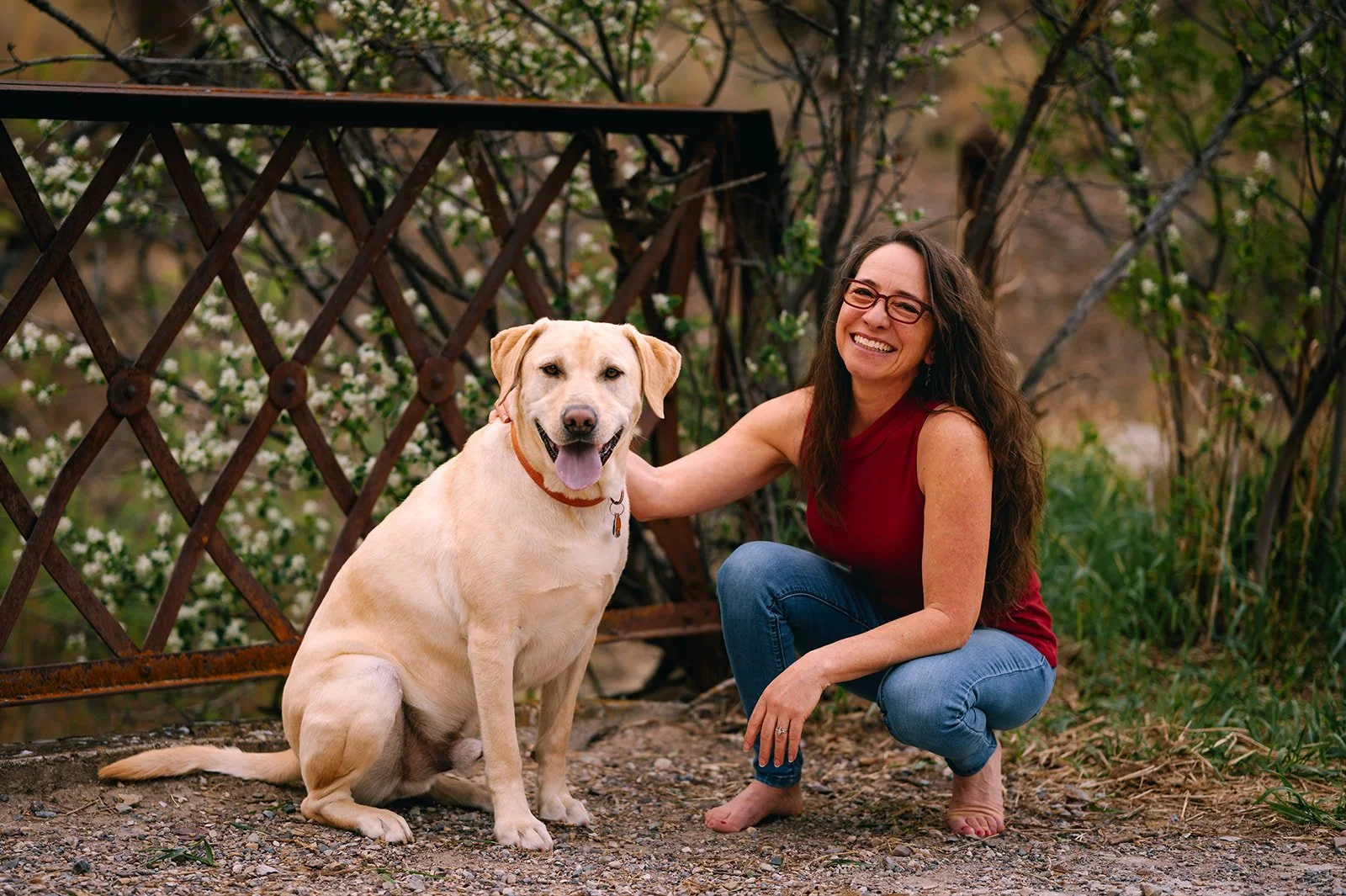
Sarah is a Montana based workplace communication trainer, TEDx speaker, DisruptHR speaker, public speaking coach, professional storyteller, musician, and podcast host. Her workshops and coaching packages with teams and their leaders are known to address and reduce miscommunication – the most common cause of tension and stress in the workplace. Using the team’s results from the StrengthsFinder assessment, she guides teams in learning to speak each other’s “language”, learning to value each other’s strengths and connecting with each other through enhanced self-reflection and effective listening.
Sarah’s nearly 20 years working in government agencies inspired her to complete her MBA and to achieve her StrengthsFinder certification to improve work environments for others, guiding teams toward increased satisfaction, productivity, and happiness.
Visit her website to purchase her book, Your Stories Don't Define You in paperback or audiobook.
434 Writing Other People's Stories with Lana McAra
"Someone said to me recently, ‘You're so lucky that you get to work at home and do this stuff.’ And I said, ‘Luck has nothing to do with it. I consciously created my life. I love it because it's mine. I made it.’"
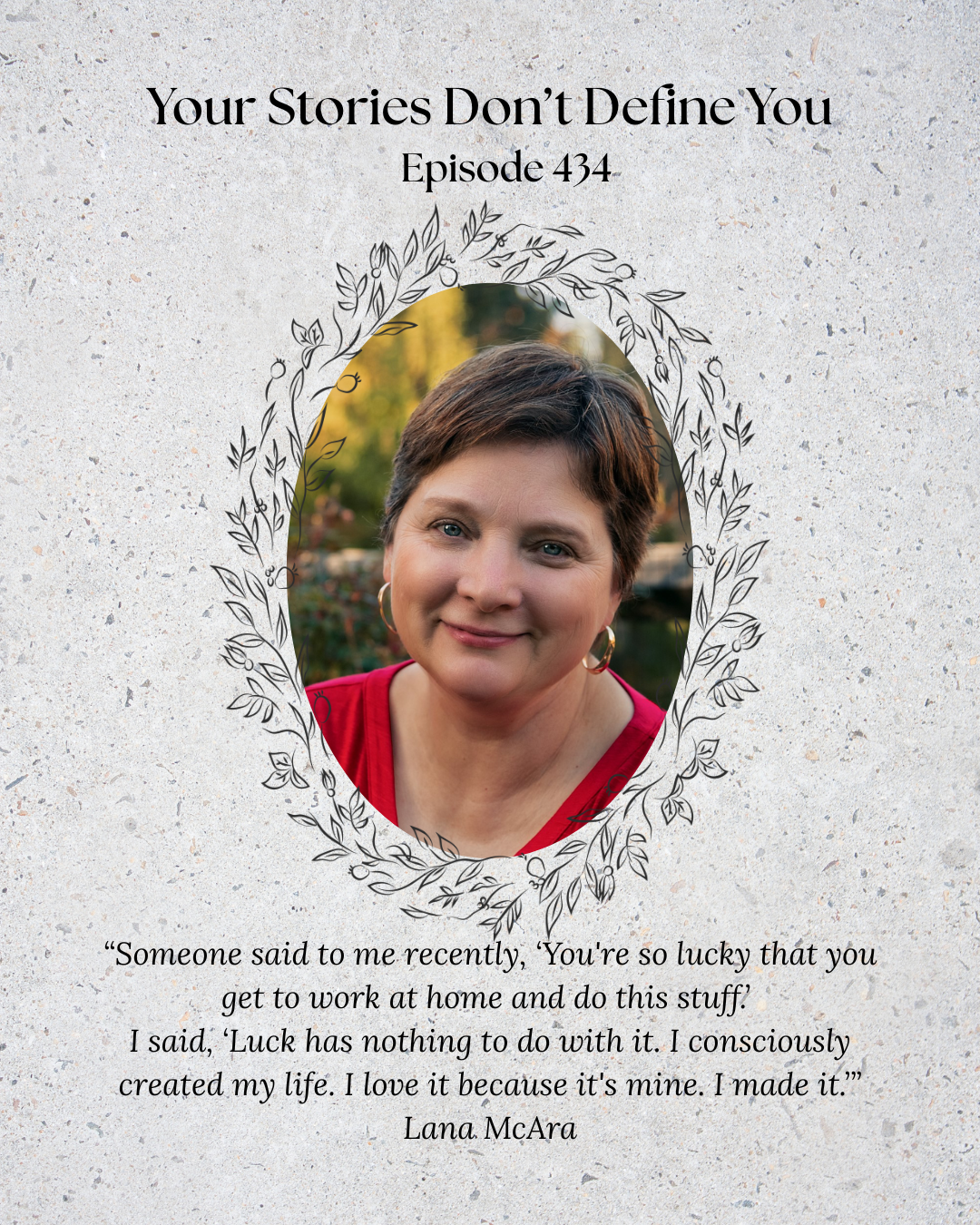
In this episode, podcast host Sarah Elkins and ghostwriter and publisher Lana McAra discuss Lana's unique approach to publishing and her deep understanding of what it takes to be an effective ghost writer for fiction and nonfiction books.
Lana grew up in an Amish community in Pennsylvania, but wasn't raised in an Amish household. Growing up on the edge of that tightknit community fostered her ability to provide a detached, professional listening style, allowing Lana to draw out client vulnerability without personal entanglement.
Her approach to ghost writing and guiding authors in her publishing business is "co-creation". She's a guide, someone who listens to ideas and gently engages the writer or co-creator with questions that shift the conversation, pulling a thread that the co-creator might not have even noticed was unraveling - in a beautiful, thoughtful way.
Highlights:
"Slow Down and Listen" is her Guiding Principle: A personal realization that "life is lived in between" the big events drives Lana's practice of slowing down to be fully present, which she sees as the key to connection.
Lana's active listening—reflecting back her nearly 80 year old client's ideas simplified his complex philosophical ideas into simpler terms—and made him feel truly understood. The client's demeanor transformed into a "sweet collaboration."
Client Quote: "There aren't many people that I can talk to about this... except for you."
Lana homeschooled seven children for 25 years.
Method: Used hands-on projects (e.g., decoupage placemats from Christmas cards) to create a relaxed environment.
Result: These activities fostered natural conversation and connection, replacing bickering with "magical" moments.
Quotes:
“Life is lived in between. Life is lived in the moments in between the big events. It's those moments when life is really, really happening.”
“If I sit quietly with them [ghostwriting clients] for a few minutes, I can ... tune in to where they're coming from through this active listening that I've learned to do over the years. Then I can hear them at that deeper level, [I hear] what's going on behind the words.”
“I have a publishing company that is a traditional publisher but we do it a different way, ... the author keeps all their rights. They keep creative control and still get the wide distribution and support that you would expect from a traditional publisher.”
Listeners, now it's your turn:
What did you get from this conversation? Maybe you're going to go look for the Object Diaries podcast hosted byLisa Weiss.
Maybe you're going to pick out your object that becomes the focal point of a story. Will you realize that you have a great story in you and you just need a little help to craft it?
I'd love to hear your thoughts after you listen to this episode send me a message go to elkinsconsulting.com or send me a message on LinkedIn or Instagram.
About Lana:
Lana McAra is an award-winning, international bestselling author and ghostwriter of more than 50 books with over one million copies sold. Founder of Vendela Publishing, she works with writers who want to build long-term careers and reach readers beyond the algorithm. Lana has spent more than two decades teaching fiction writing and speaking to writers about the business of publishing.
Learn more by visiting her links -
https://vendelapublishing.com/
https://substack.com/@inthewriterschair
About Sarah:
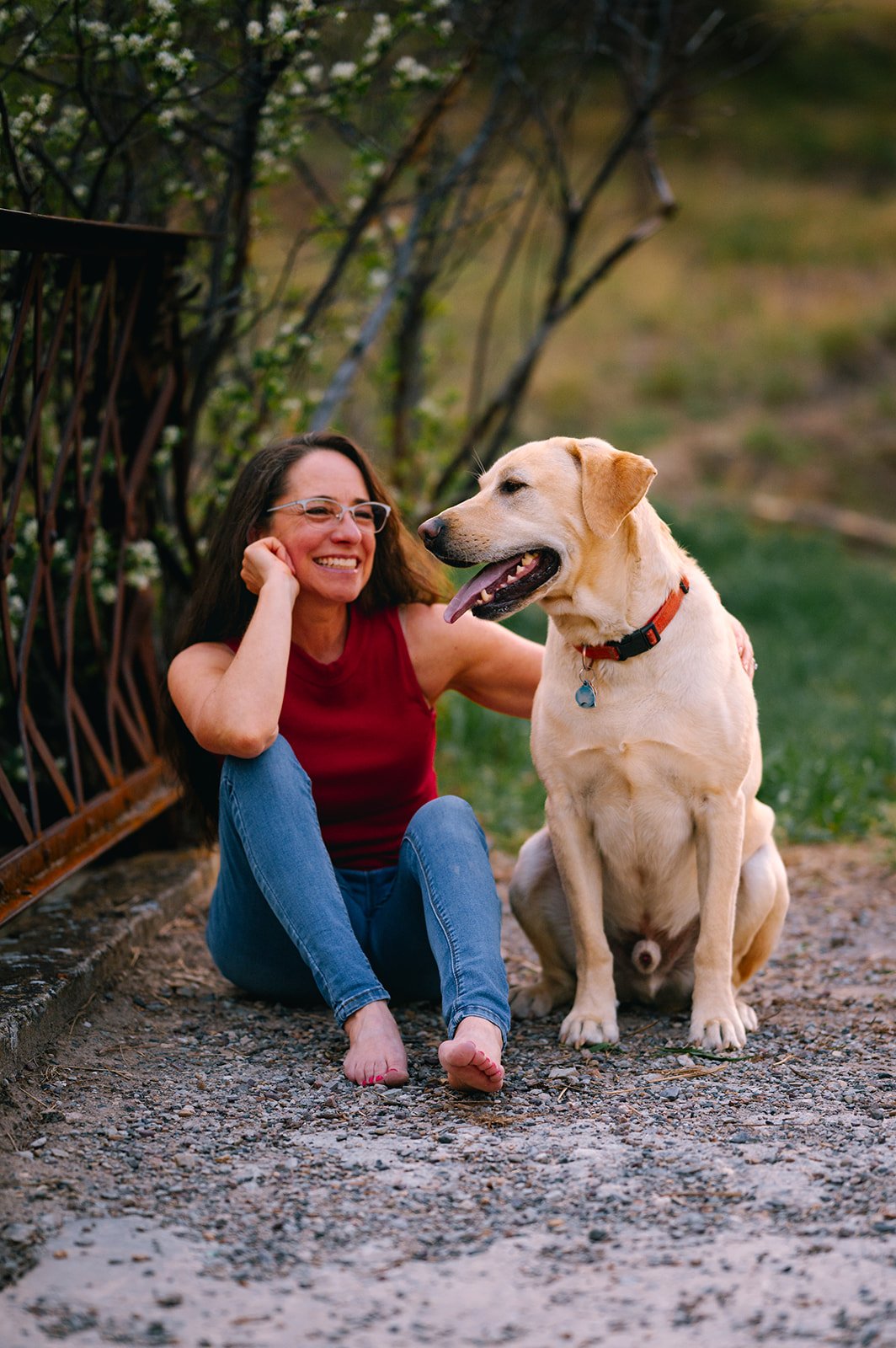
Sarah is a Montana based workplace communication trainer, TEDx speaker, DisruptHR speaker, public speaking coach, professional storyteller, musician, and podcast host. Her workshops and coaching packages with teams and their leaders are known to address and reduce miscommunication – the most common cause of tension and stress in the workplace. Using the team’s results from the StrengthsFinder assessment, she guides teams in learning to speak each other’s “language”, learning to value each other’s strengths and connecting with each other through enhanced self-reflection and effective listening.
Sarah’s nearly 20 years working in government agencies inspired her to complete her MBA and to achieve her StrengthsFinder certification to improve work environments for others, guiding teams toward increased satisfaction, productivity, and happiness.
Visit her website to purchase her book, Your Stories Don't Define You in paperback or audiobook.
433 Taking Steps To Take Better Care Of Yourself
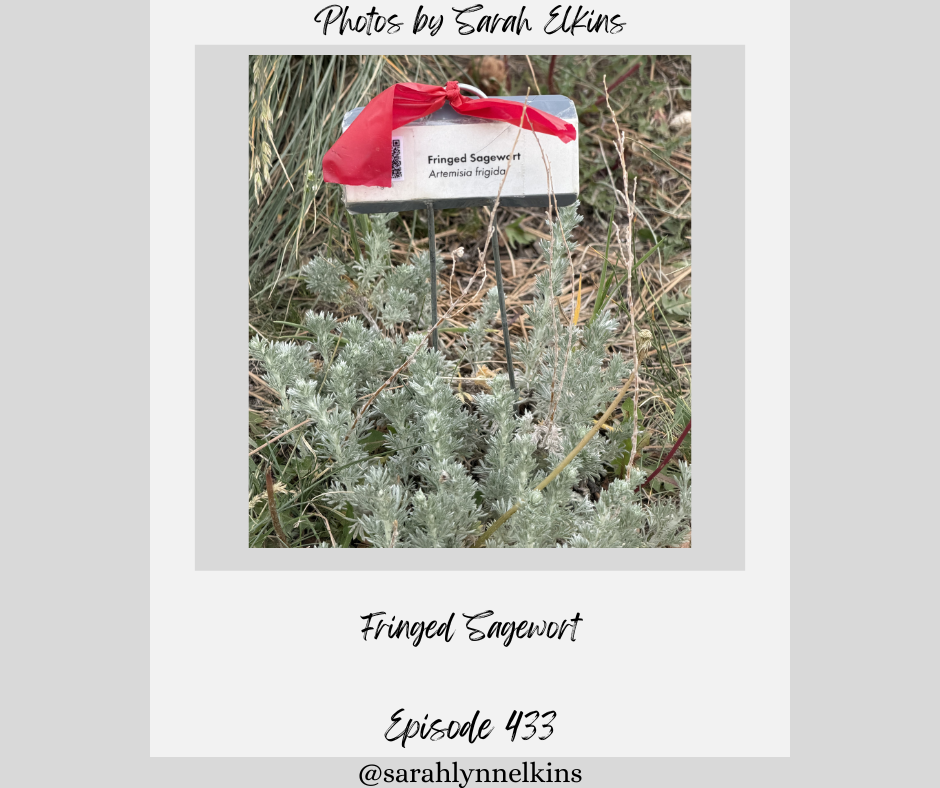
In today’s episode, Sarah Elkins discusses the importance of taking your time to enjoy the world, to enjoy being you, to take time to make sure You, Dear Listener, are healthy in mind, body, emotion, and spirit.
433 Taking Steps To Take Better Care Of Yourself
In today’s episode, Sarah Elkins discusses the importance of taking your time to enjoy the world, to enjoy being you, to take time to make sure You, Dear Listener, are healthy in mind, body, emotion, and spirit.
Highlights
Encouraging healthy self reflection to lessen loneliness and division.
Acknowledging when you need help or a break is key to not only your own wellbeing but to the wellbeing of those you care for.
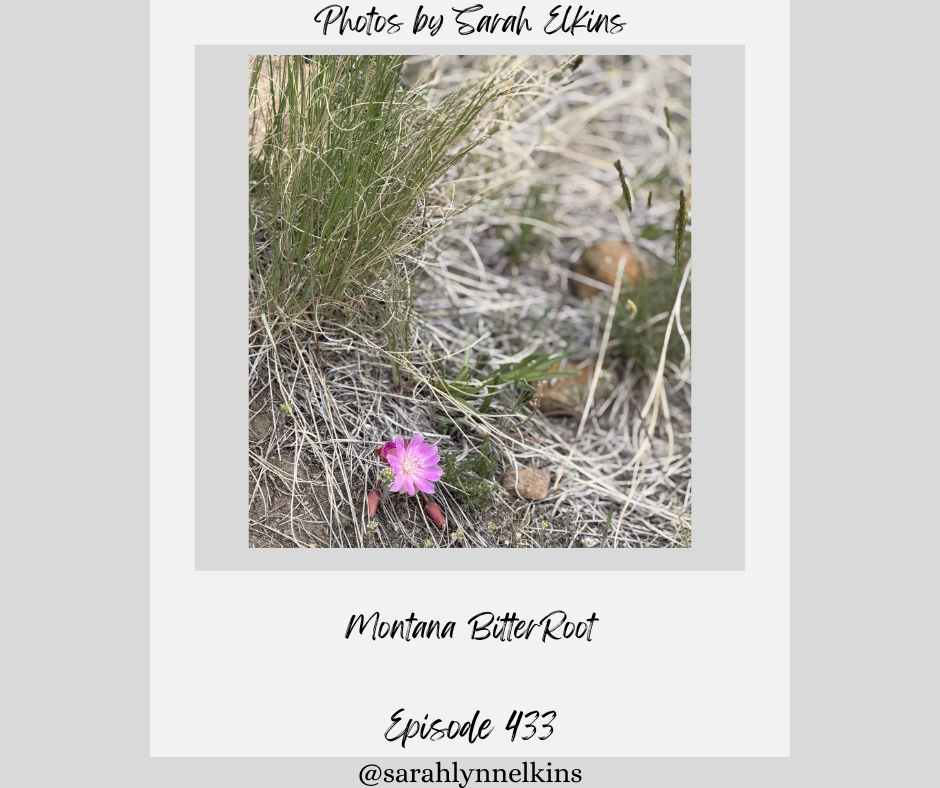
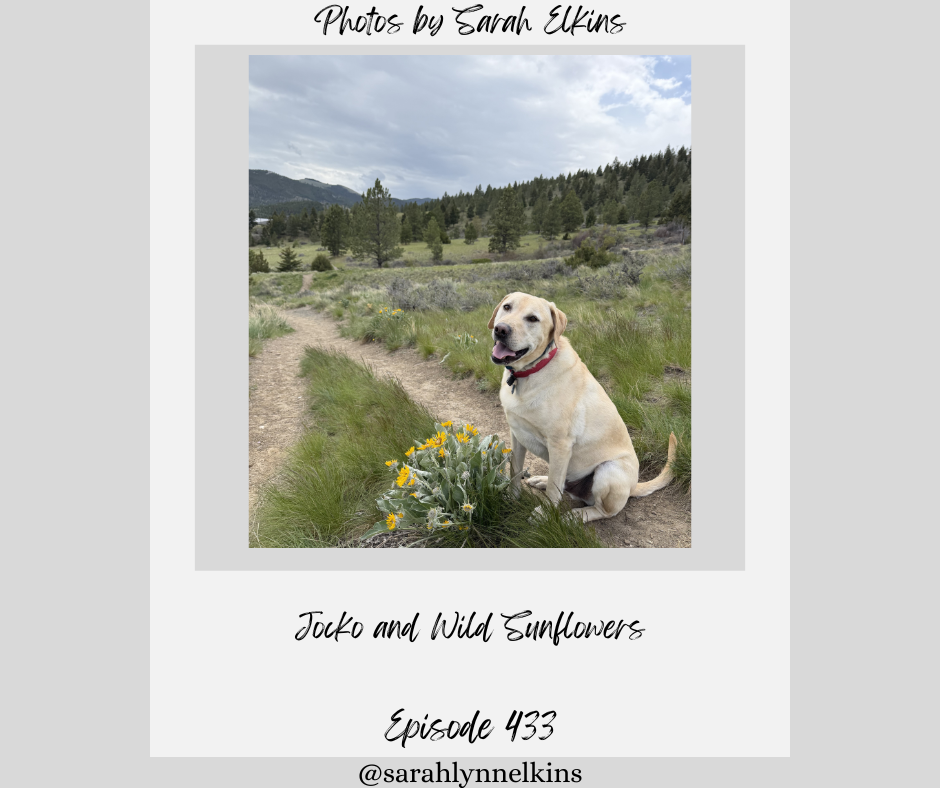
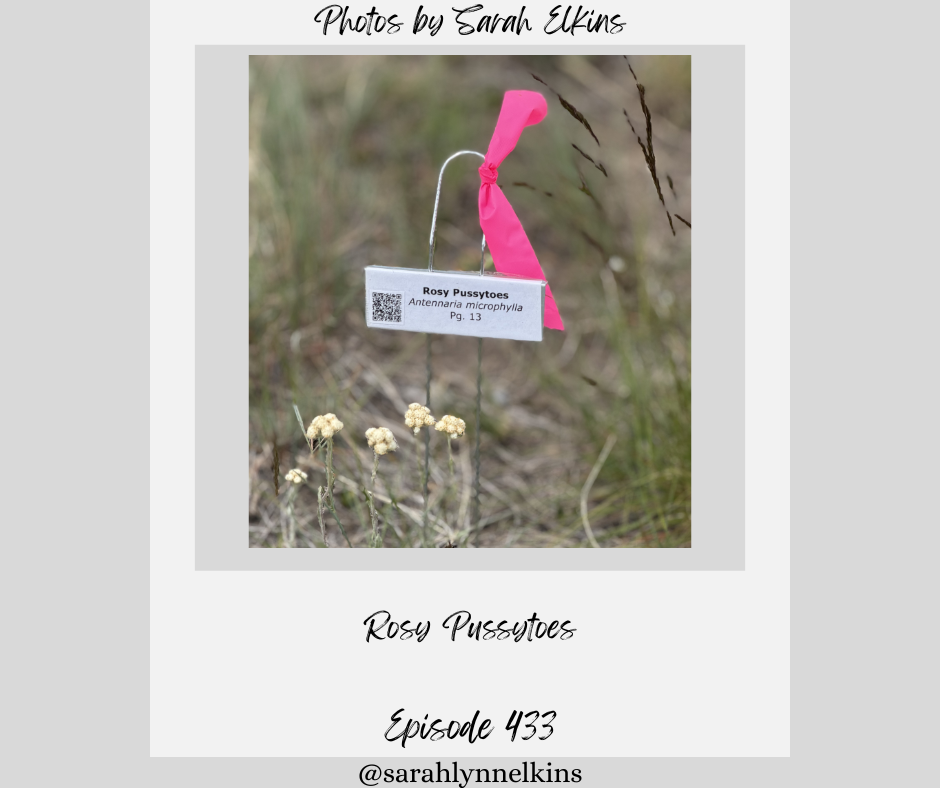
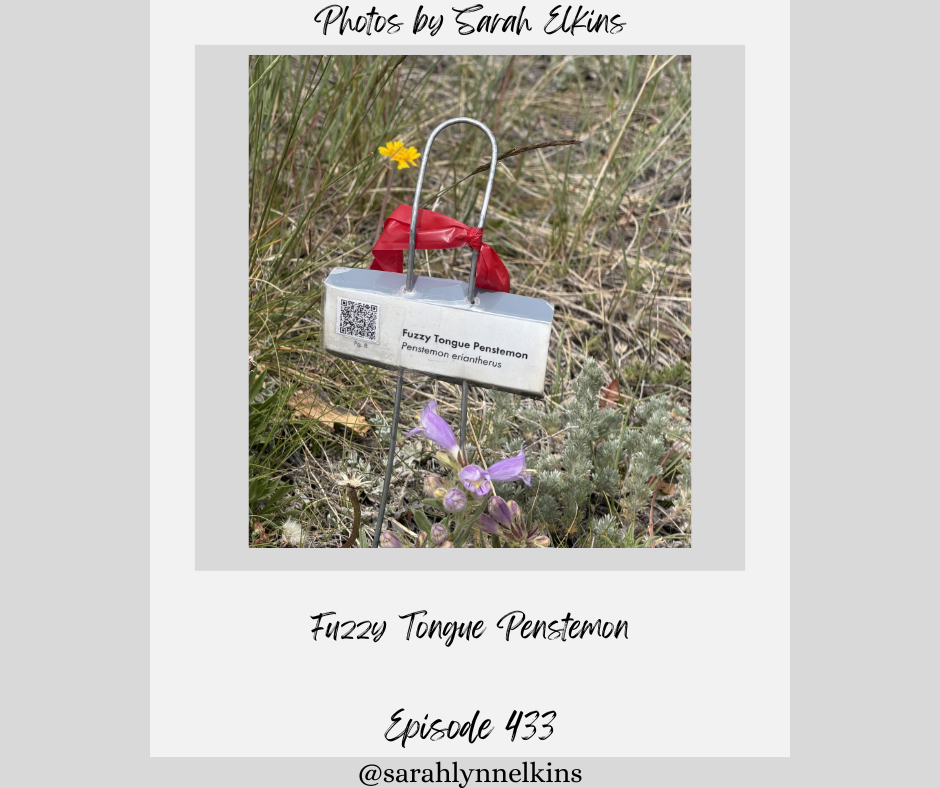
Stop and smell the flowers. Life isn’t a race. Take your time and enjoy the world you have helped to cultivate and get the gift of living in.
How our labels change as time moves, but so long as we know the shape of our souls we will be okay.
Quotes
“This is what hustle looks like. Losing track of ‘why’ I’m doing something. Focusing too much on doing something without stopping to ensure that what I’m doing fits my values, my needs, and how I want to live my life daily.”
“What makes things interesting and joyful to me, is knowing that a single label can’t define me. I’m complicated, and so are you.”
“Will you take time right now or very soon to define success for yourself, without attaching money or income to that definition.”
Mentioned in this episode
Dear Listeners it is now your turn,
Will you take time right now or very soon to define success for yourself, without attaching money or income to that definition?
What is one thing you’ll do today, tomorrow, and the next day to reach toward that definition of success, and the labels you choose for yourself, and demonstrate through your work?
And how will you feed your own needs, your physical, emotional, and spiritual health so that you have the energy and enthusiasm and capacity to live your definition of success?
And, as always, thank you for listening.
About Sarah
Sarah is a Montana based workplace communication trainer, TEDx speaker, DisruptHR speaker, public speaking coach, professional storyteller, musician, and podcast host. Her workshops and coaching packages with teams and their leaders are known to address and reduce miscommunication – the most common cause of tension and stress in the workplace. Using the team’s results from the StrengthsFinder assessment, she guides teams in learning to speak each other’s “language”, learning to value each other’s strengths and connecting with each other through enhanced self-reflection and effective listening.
Sarah’s nearly 20 years working in government agencies inspired her to complete her MBA and to achieve her StrengthsFinder certification to improve work environments for others, guiding teams toward increased satisfaction, productivity, and happiness.
Visit her website to purchase her book, Your Stories Don't Define You in paperback or audiobook.
432: The Power of Kindness featuring Joe Emery
In today’s episode Sarah Elkins and Joe Emery discuss the importance of dispelling misconceptions, serving our communities, and elevating voices of kindness and positivity.
432 The Power of Kindness featuring Joe Emery
In today’s episode Sarah Elkins and Joe Emery discuss the importance of dispelling misconceptions, serving our communities, and elevating voices of kindness and positivity.
Highlights
The beauty of visiting places we’ve only seen in pictures or film.
Misconceptions about places and people and learning the truth to be able to see the world for the better.
Emotional storytelling and the importance of making people see the humanity behind the story.
The importance of being kind, patient, and empathetic in a world that is becoming more jaded.
Remember that there is a human on the other side of the screen that doesn’t deserve to be treated poorly because you don’t like a post.
Quotes
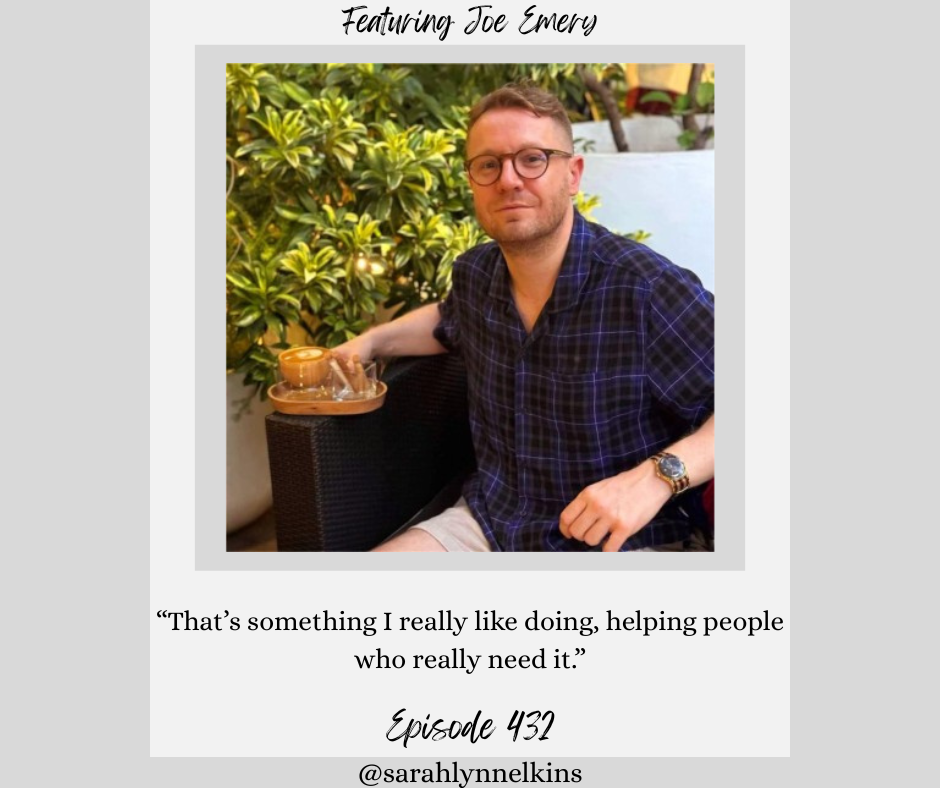
“That’s something I really like doing, helping people who really need it.”
“We all see things everyday that we’re not interested in, and it’s amazing how many people stop to take time out of their day to comment.”
Dear Listeners it is now your turn,
What is it that drove you to be a fan of something? What is your obsession? Have you ever thought about where that could lead you or how it has contributed to where you are now? I think about a lot of the things in my childhood that made me want to meet people or to learn something or to read more and I’m curious what that is for you. And the other thing I want to know is what are you doing when it comes to seeing the one comment that is mean or one boss that treated you badly, are you still holding on to that or are you starting to see it for exactly what it is, that those people who are cruel have their own reason for being that and when you give them the greater voice over the people who are kind you’re giving them this power and you’re taking away and reducing the power of people who are doing good in the world.
And, as always, thank you for listening.
About Joe
About Sarah
Sarah is a Montana based workplace communication trainer, TEDx speaker, DisruptHR speaker, public speaking coach, professional storyteller, musician, and podcast host. Her workshops and coaching packages with teams and their leaders are known to address and reduce miscommunication – the most common cause of tension and stress in the workplace. Using the team’s results from the StrengthsFinder assessment, she guides teams in learning to speak each other’s “language”, learning to value each other’s strengths and connecting with each other through enhanced self-reflection and effective listening.
Sarah’s nearly 20 years working in government agencies inspired her to complete her MBA and to achieve her StrengthsFinder certification to improve work environments for others, guiding teams toward increased satisfaction, productivity, and happiness.
Visit her website to purchase her book, Your Stories Don't Define You in paperback or audiobook.
431 The Art of Aging - Featuring Diane Place
In today’s episode Sarah Elkins and Diane Place discuss the art and beauty in aging and how it allows us to collect amazing stories, learn new things about ourselves, and how we can use these experiences to help others.
431 The Art of Aging - Featuring Diane Place
In today’s episode Sarah Elkins and Diane Place discuss the art and beauty in aging and how it allows us to collect amazing stories, learn new things about ourselves, and how we can use these experiences to help others.
Highlights
Aha moments and how trusting yourself will most often take you to better places in life.
Bringing in other story tellers to enlighten yourself with intergenerational, interracial, and interhuman connections.
Reframing aging and how we perceive aging, in that it is never too late to do anything and you don’t need to step back just because of a number.
The stories we tell ourselves and the stories told around us shape our perceptions, and we need to take active steps to make sure that it is positive and healthy instead of cutting ourselves and others down.
Quotes
“I’ve had “ah ha” moments in my life that led me to make crazy decisions. Some of them didn’t go so well… most of them did because I trusted my heart.”
“Find connections with who we are, not just what we’ve done.”
“We need to seek the new stories if we have some of those old stories. We need to ditch them. We need to erase them, and reinvent them.”
Dear Listeners, now it’s your turn:
What part of this conversation made you realize something about your own aging and maybe your internal messages that are affecting who you are and that you’re modeling and sharing with younger people. If you’re one of the younger listeners, under 50, what part of this conversation made you eager to hear the stories of people around you that you’ve only ever known skin deep? I would love to hear what resonated with you in this conversation.
And, as always, thank you for listening.
About Diane
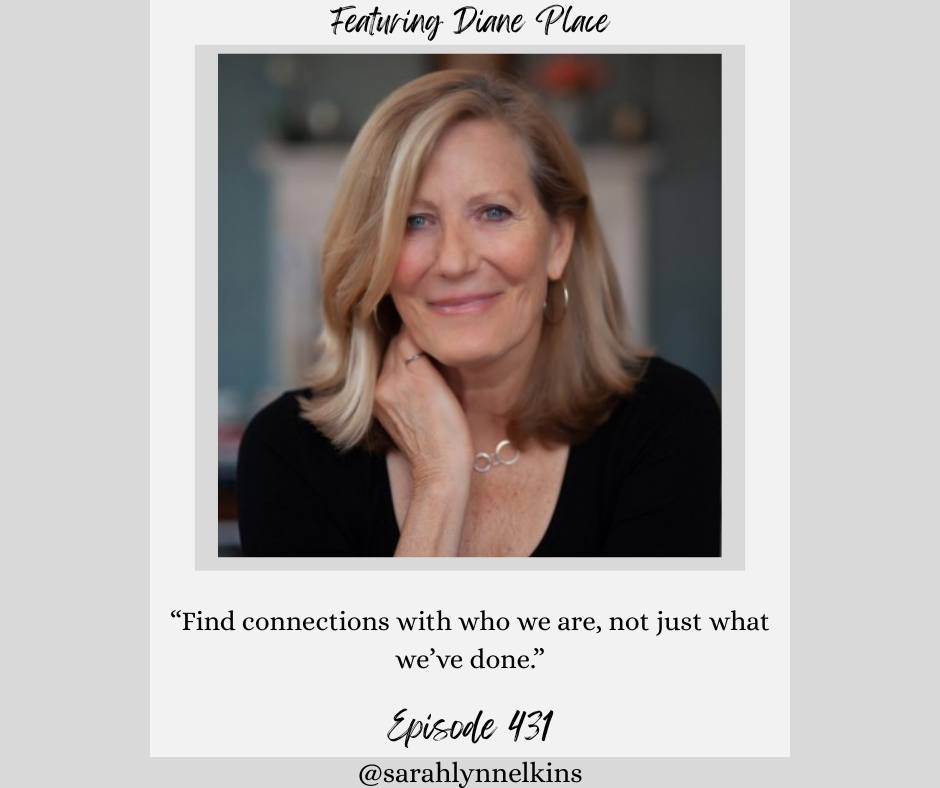
After 66 years on this planet, I am grateful to have aligned my passions, talents and heart-driven desires in all parts of my life.
After dancing on the edges of my passions throughout my career and my life, the coincidence of three “lightning strike” experiences in 2018 - a cancer diagnosis, shutting down a business venture, empty nesting as I turned 60, compelled me to focus on what I truly wanted to do with my "one wild & precious life."
Fostering connection, learning peoples' stories and creatively inspiring others have always been a personal passion. With Third Act Quest, and our community, the 333 Collective, and my newest program AHA! Third Act Stories — this passion is now front and center. I am working to reframe aging by connecting and inspiring women for their life’s most exciting and meaningful chapter — their “third act.”
My 40-year professional career includes: a decade in Boston with an international ad agency; ten years with America Online (AOL-Time Warner) in the early days of the internet as Senior Vice President; and three entrepreneurial ventures; a cause-marketing firm, Dunbar, Hunter & Associates (bridging corporations and nonprofits around aids, homelessness, domestic violence and breast cancer), WonderBlink Photography, and The Global Design Post.
My favorite quote:
“Tell me, what is it that you plan to do with your one wild and precious life?” - Mary Oliver
Be sure to check out Diane’s LinkedIn, and her website Third Act Quest. Plus, check out the Third Act Quest community here, and her YouTube Channel for even more great content.
About Sarah
Sarah is a Montana based workplace communication trainer, TEDx speaker, DisruptHR speaker, public speaking coach, professional storyteller, musician, and podcast host. Her workshops and coaching packages with teams and their leaders are known to address and reduce miscommunication – the most common cause of tension and stress in the workplace. Using the team’s results from the StrengthsFinder assessment, she guides teams in learning to speak each other’s “language”, learning to value each other’s strengths and connecting with each other through enhanced self-reflection and effective listening.
Sarah’s nearly 20 years working in government agencies inspired her to complete her MBA and to achieve her StrengthsFinder certification to improve work environments for others, guiding teams toward increased satisfaction, productivity, and happiness.
Visit her website to purchase her book, Your Stories Don't Define You in paperback or audiobook.
430: Every Emotion Comes from Needs, Met and Unmet - featuring Morgane Borzée
"... we talk about feelings, but... At the end, every feeling has an underlying need. If it's a pleasant feeling, it's a met need. If it's an unpleasant feeling, it's an unmet need. And needs drive our behavior."
This conversation with Morgane Borzée filled in so many gaps in my understanding of what I've heard referred to as trauma-informed coaching, teaching, and counseling.
I thought I understood the connection between emotional intelligence and behavior, but I was missing a key component:
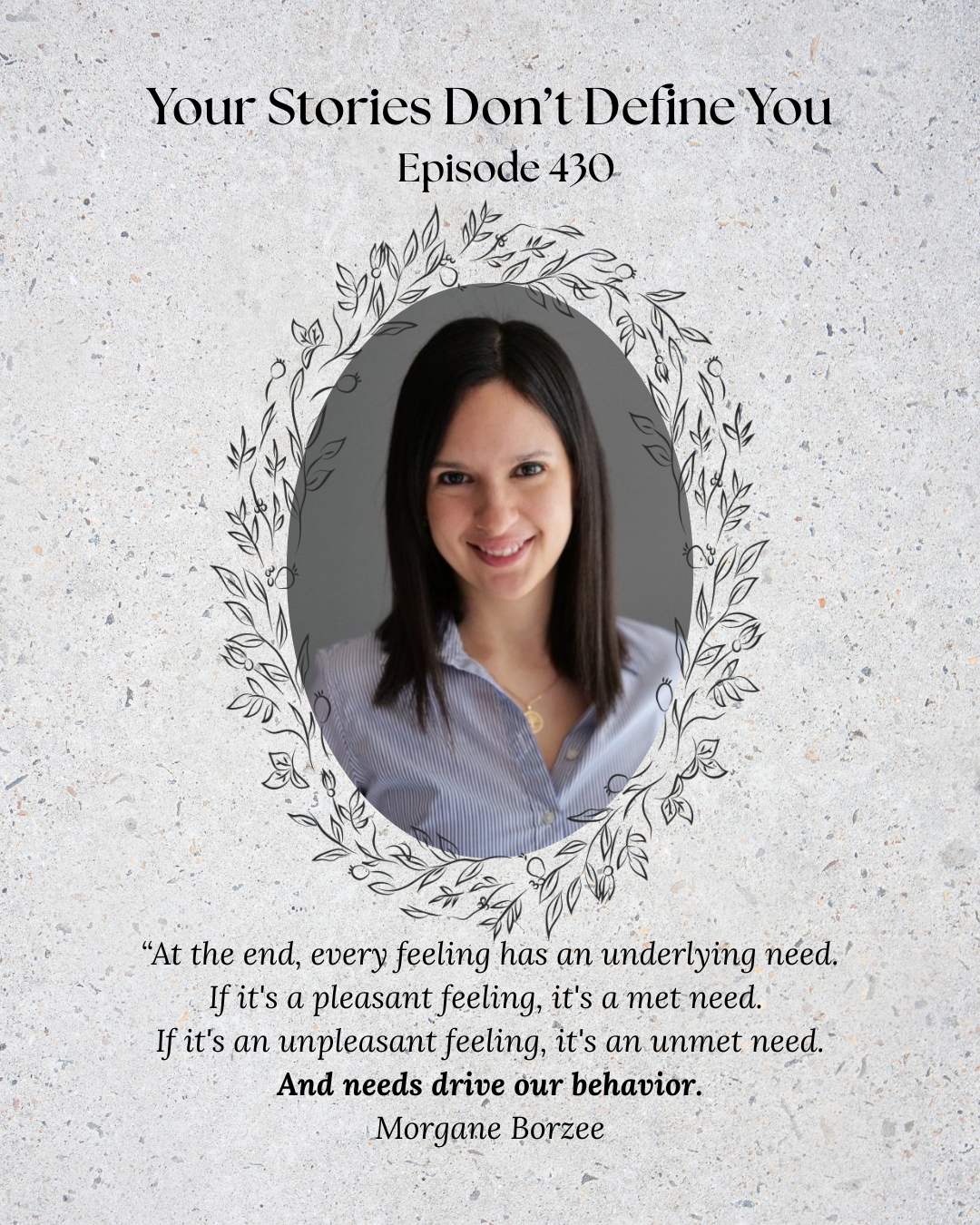
"... we talk about feelings, but... At the end, every feeling has an underlying need. If it's a pleasant feeling, it's a met need. If it's an unpleasant feeling, it's an unmet need. And needs drive our behavior."
This conversation with Morgane Borzée filled in so many gaps in my understanding of what I've heard referred to as trauma-informed coaching, teaching, and counseling.
If you're anything like me, you associated the word trauma with something dramatic, like abuse or neglect, death, major accidents, war, natural disasters, etc. Many of us don't feel comfortable using the word trauma to describe experiences in our lives that don't seem to compare with what we know others have experienced.
But trauma in childhood can be something as innocuous as an underlying current of the repression of anger, financial stress and anxiety, sibling rivalry. And each person experiences it differently. Ask your siblings or cousins about growing up and they'll remember completely different episodes as traumatic - or not.
Morgane suffered from severe anxiety as a young adult, and was referred to a therapist that she didn't realize was a trauma specialist. She thought she might be in the wrong place until she heard from the therapist that her anxiety might be coming from repression of anger. And she might be repressing anger because that's how she responded to her fear of the anger she saw expressed in her childhood home, among her family.
"... for years, I was shortcutting anger with anxiety. So whenever a situation would make me angry, I didn't feel angry, I felt anxious."
Her experience with the therapist not only gave her the tools she needed to start truly addressing the anxiety at that deeper level. It gave her the inspiration she then used to create an incredible platform to make what she was learning more accessible and approachable for others.
She took what she learned in academic, research-based, deeply intellectual settings, and translated into everyday language and characters that the rest of us can apply, learn from, and make real change in our lives and those of the people we influence.
Highlights
The word trauma feels big, feels significant, and it is, but it's also relative. Each person experiences it differently.
Needs met and unmet are what drive our emotions and behavior.
Listeners, now it's your turn. During our call, I started writing notes about my own needs and how they affect my behavior when they're not met: My need for respect and how that might show up in emotional responses and anger.
What are yours?
A need for basic food staples in your house? If somebody gets upset when you run out of peanut butter or eggs, it may be a need in terms of food security that wasn't. What is a pattern of conflict or frustration that you've experienced yourself or experienced with somebody else that might be related to this issue? When your needs are met, you have a particular emotional response, and when they're not met, you have another emotional response. I'm curious to hear what came up for you, what patterns you've uncovered, and maybe what you're going to do about it.
From Morgane:
I’m the founder of Equanima. I created it after years of struggling with anxiety and realizing how powerful emotional intelligence can be when you actually understand what’s happening inside you.
As a designer, I saw a gap between complex psychological concepts and what people can realistically use in daily life. Equanima exists to bridge that gap by turning emotional intelligence into clear, practical, and visual tools that help people understand their patterns, regulate under pressure, and live more aligned lives.
Visit my website to learn more, and be sure to connect and/or follow me on LinkedIn and Instagram.
About Sarah
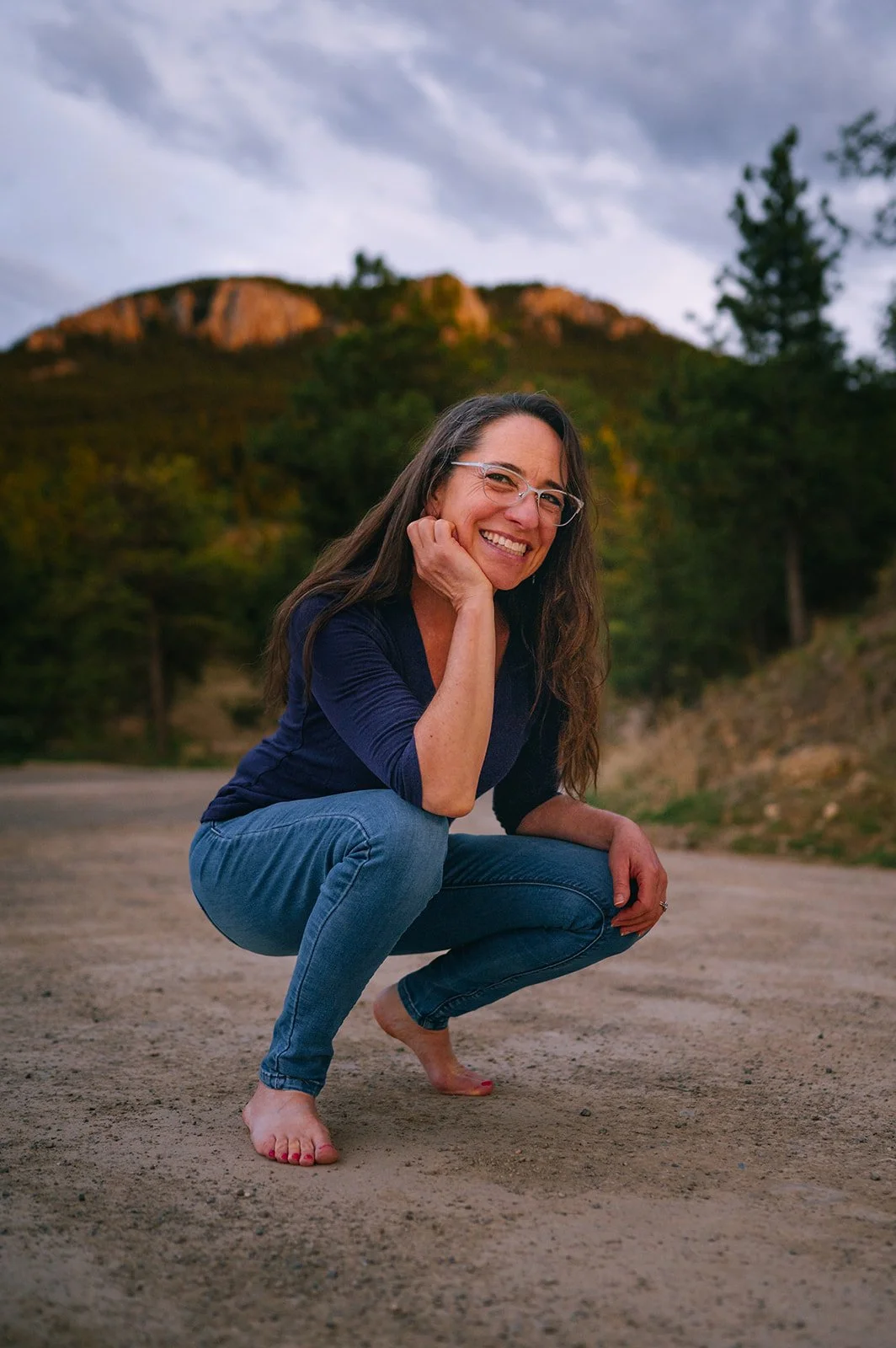
Sarah is a Montana based workplace communication trainer, TEDx speaker, DisruptHR speaker, public speaking coach, professional storyteller, musician, and podcast host. Her workshops and coaching packages with teams and their leaders are known to address and reduce miscommunication – the most common cause of tension and stress in the workplace. Using the team’s results from the StrengthsFinder assessment, she guides teams in learning to speak each other’s “language”, learning to value each other’s strengths and connecting with each other through enhanced self-reflection and effective listening.
Sarah’s nearly 20 years working in government agencies inspired her to complete her MBA and to achieve her StrengthsFinder certification to improve work environments for others, guiding teams toward increased satisfaction, productivity, and happiness.
Visit her website to purchase her book, Your Stories Don't Define You in paperback or audiobook.
426: Ending the Cycle of Family Trauma Featuring Sharon Weinstein
426: Ending the Cycle of Family Trauma Featuring Sharon Weinstein
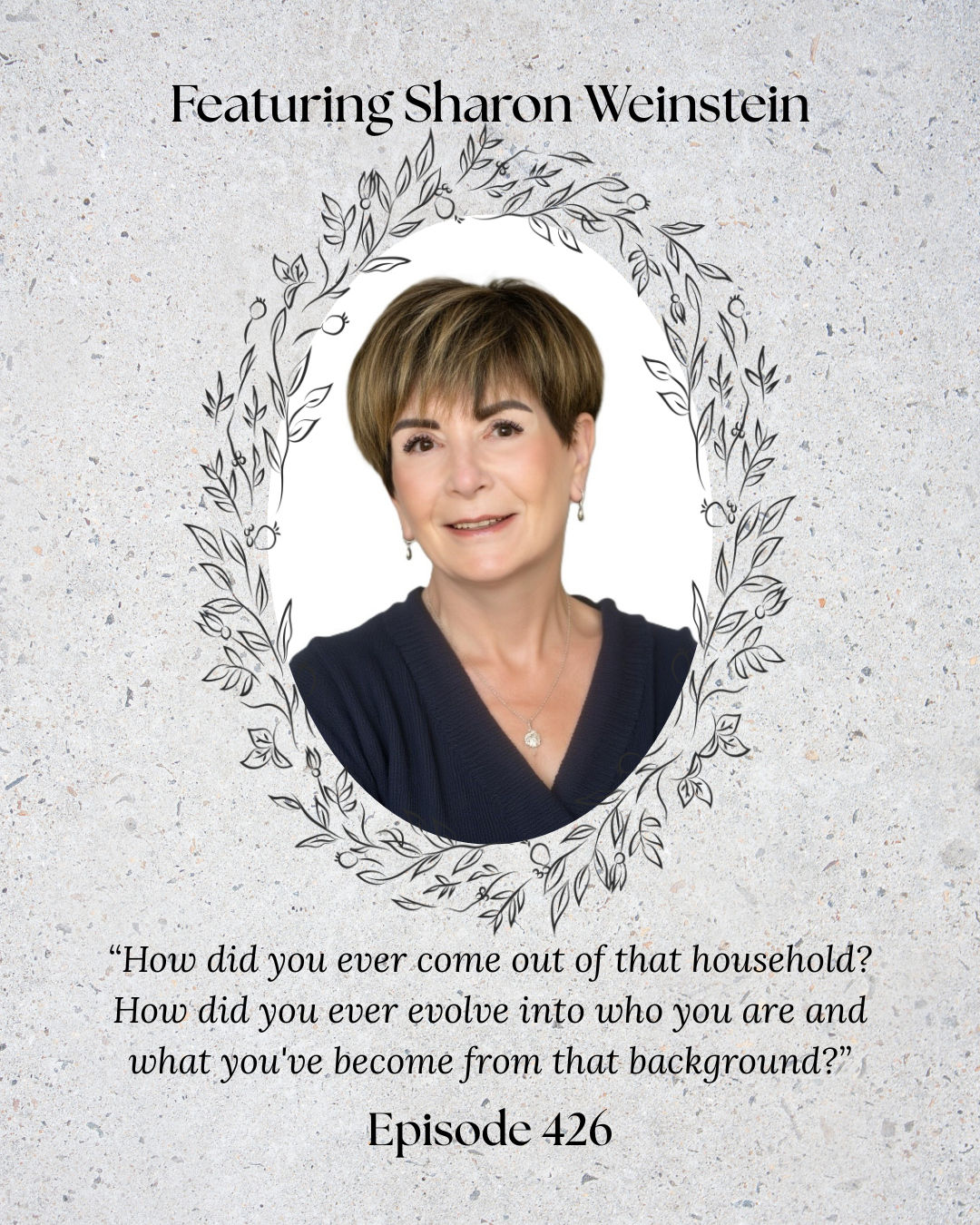
"How did you ever come out of that household? How did you ever evolve into who you are and what you've become from that background?"
We met in Washington DC at the final competition for the People's Choice speaker for the next TEDxUStreetWomen event scheduled on November 3, 2025. And when she won the coveted spot, all of us were thrilled. She earned it.
In this episode we discussed her TEDx talk, "Think Differently to be Unstoppable", the use of the 4W framework to reframe personal trauma into recovery and growth. She shared insightful, powerful stories of how she modeled what she wanted to see in her children and family to end the cycle of family trauma.
We also discussed her new book, Harmony by Design, replacing the concept of balance with a work and life integration.
If you're curious to hear the story of that 18-month competition, listen to episode 421 featuring Kuti Mack.
Highlights:
4W Framework
Where am I? Assess your current reality, take inventory with honesty and clarity.
What if...? Brainstorm different approaches and potential outcomes.
What WOWs? Identify ideal outcomes given current resources. What is the best case scenario?
What works? Find sustainable, repeatable solutions. Take small steps.
Sharon's soccer story, choosing to start an adult women's league without any experience, so her children could see her trying something uncomfortable and new, and so she could be more aware of what her children were experiencing.
Quote:
"...And sometimes the biggest question that I get from them is, 'how did you ever come out of that household? How did you ever evolve into who you are and what you've become from that background?' They say it to me all the time. 'Are you sure you weren't adopted?'"
Watch Sharon's recently published TEDx!
About Sharon:
A global nursing leader, TEDx speaker, and advocate for personal transformation who empowers others to rethink what's possible and turn adversity into strength. A Certified Speaking Professional (CSP), she's an award-winning healthcare innovator and author. Founder of SMW Group and the #FromCrisistoCapacity framework, she develops nurse leaders and strengthens teams and organizations through resilience, stress reduction, and human performance.
Visit, follow, and connect:
LinkedIn, Facebook, Instagram, YouTube, website.
---
About Sarah
Sarah is a Montana based workplace communication trainer, TEDx speaker, DisruptHR speaker, public speaking coach, professional storyteller, musician, and podcast host. Her workshops and coaching packages with teams and their leaders are known to address and reduce miscommunication – the most common cause of tension and stress in the workplace. Using the team’s results from the StrengthsFinder assessment, she guides teams in learning to speak each other’s “language”, learning to value each other’s strengths and connecting with each other through enhanced self-reflection and effective listening.
Sarah’s nearly 20 years working in government agencies inspired her to complete her MBA and to achieve her StrengthsFinder certification to improve work environments for others, guiding teams toward increased satisfaction, productivity, and happiness.
Visit her website to purchase her book, Your Stories Don't Define You in paperback or audiobook.